15–20 Years of Durability
Properly planned veneers outlast most cosmetic work by a decade or more.
Porcelain veneers can transform a smile — but only when the foundation is stable. Dr. House won't place veneers on a bite that will break them.
If any of these sound familiar, a thorough evaluation is the right first step.
Porcelain veneers are thin custom shells bonded to the front surface of your teeth to correct shape, color, alignment, or wear. When they work, they're the most durable cosmetic option in dentistry — commonly lasting 15 to 20 years. When they don't work, the failure is almost always traceable to the bite underneath. A veneer placed on a tooth taking uneven force will chip. A veneer placed without addressing grinding will fracture. A veneer placed without understanding jaw position will come off.
That's why Dr. House won't place veneers without a full diagnostic evaluation. Before any enamel is touched, she looks at the bite, the jaw, the wear patterns, and the overall restoration plan. If the foundation is stable, veneers are a beautiful, conservative option. If it's not, the conversation shifts to what needs to be corrected first — TMJ stabilization, orthodontics, or comprehensive crown work.
When the bite and foundation support them, thin porcelain restorations can bring back shape, color, and evenness. These are real House Dental patients — planned diagnostically so the result lasts.
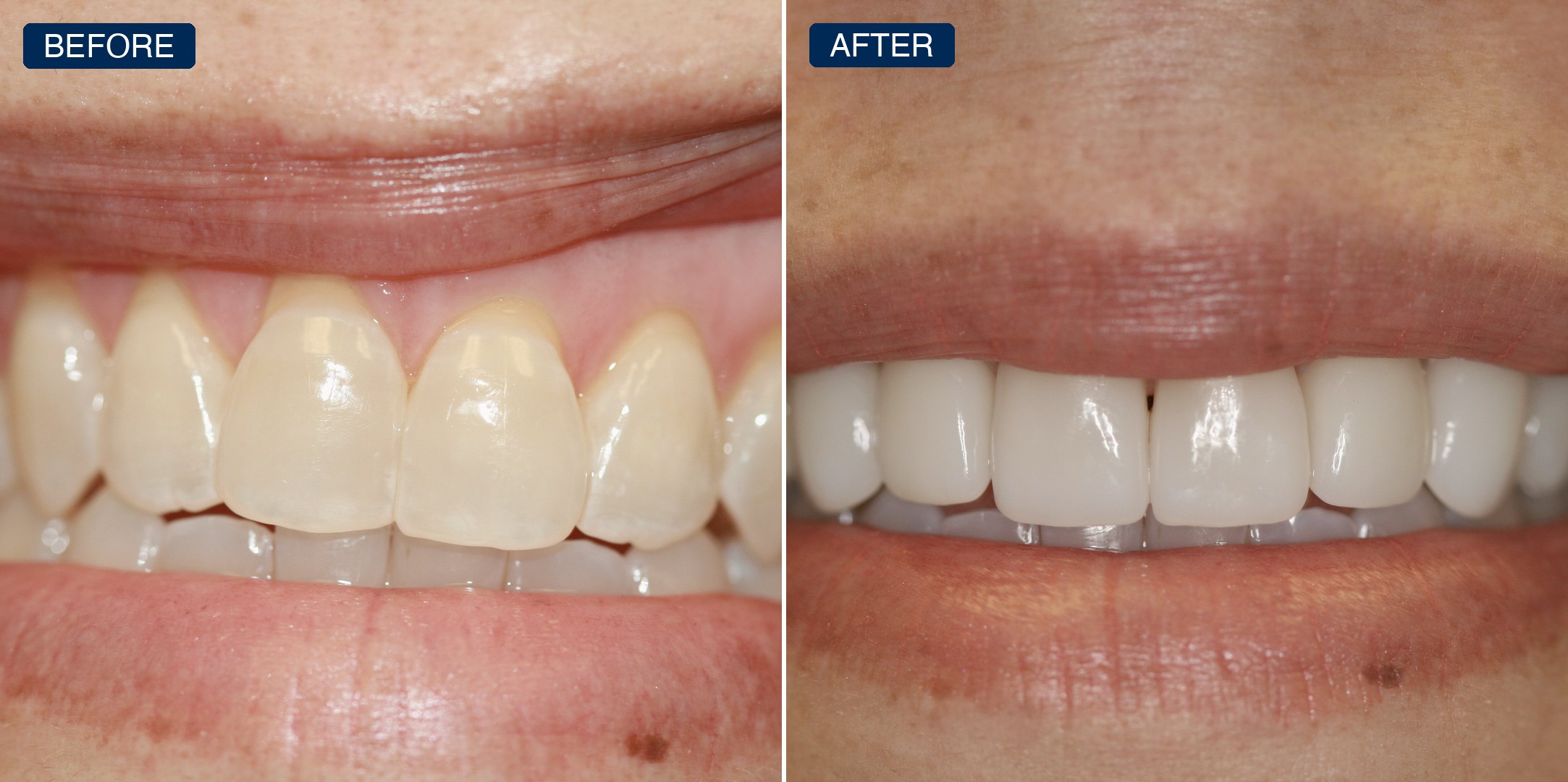
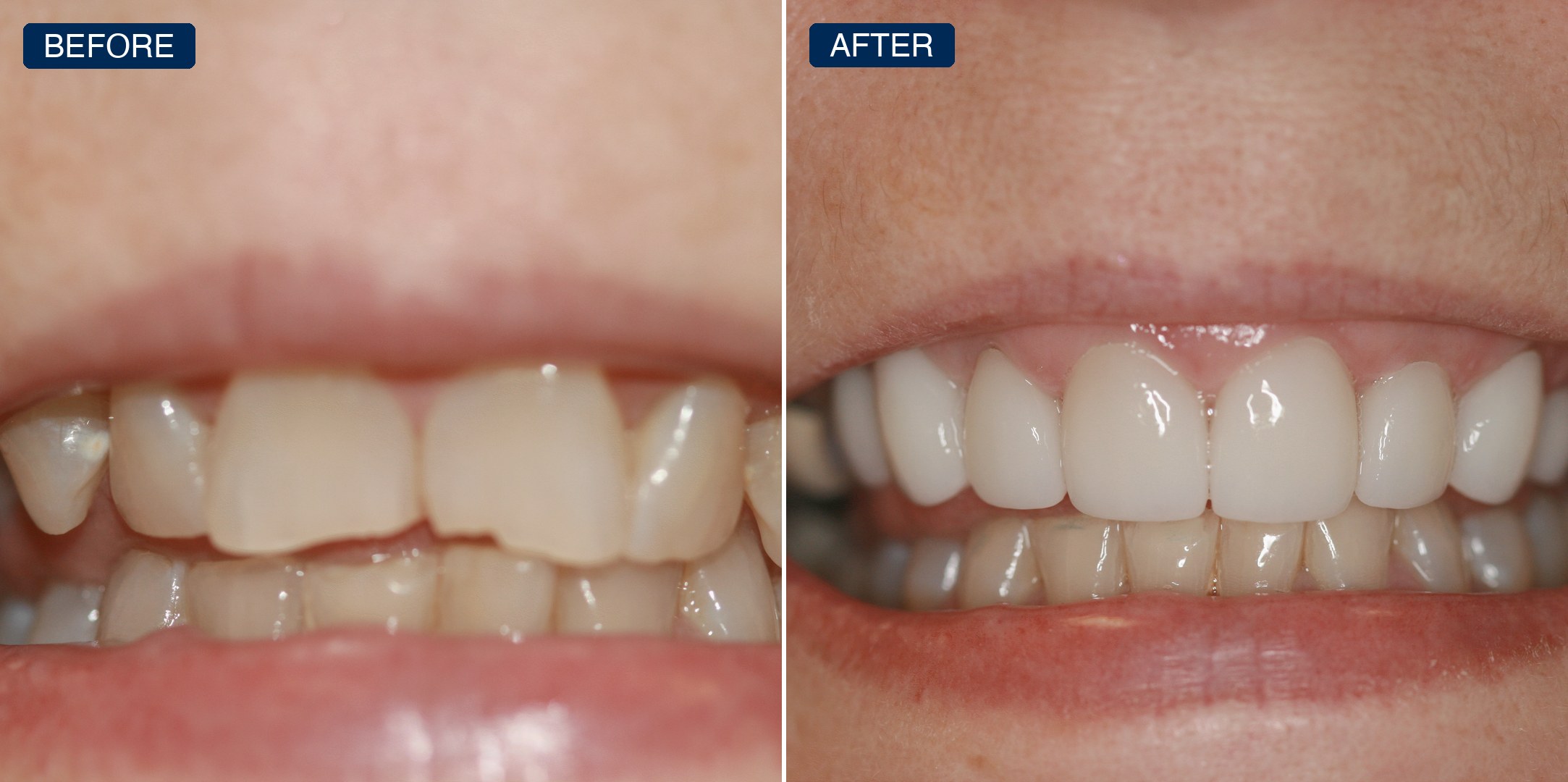
Beyond aesthetics — here's what happens when veneers are built on a stable foundation.
Properly planned veneers outlast most cosmetic work by a decade or more.
Much more conservative than a crown — when the tooth allows it.
Correct chips, wear, gaps, and color in one coordinated design.
Porcelain doesn't stain the way enamel or composite do.
Digital smile design, custom shade, and natural translucency.
Dr. House would rather turn away a veneer case she doesn't believe in than place one that fails. Here's when veneers work, when they don't, and what we recommend instead.
Your bite is stable, your teeth are structurally sound, and you want to correct color, shape, minor alignment, or wear on the front teeth. You understand the preparation is permanent. You're committed to the follow-up care. This is where veneers shine.
Request a Consultation
If you want veneers without addressing the underlying bite issues, this may not be the right practice. A grinding habit that hasn't been stabilized. A jaw that's out of position. Teeth that are structurally compromised and actually need crowns. Dr. House won't place veneers that she knows will fail.
Stabilize the Bite First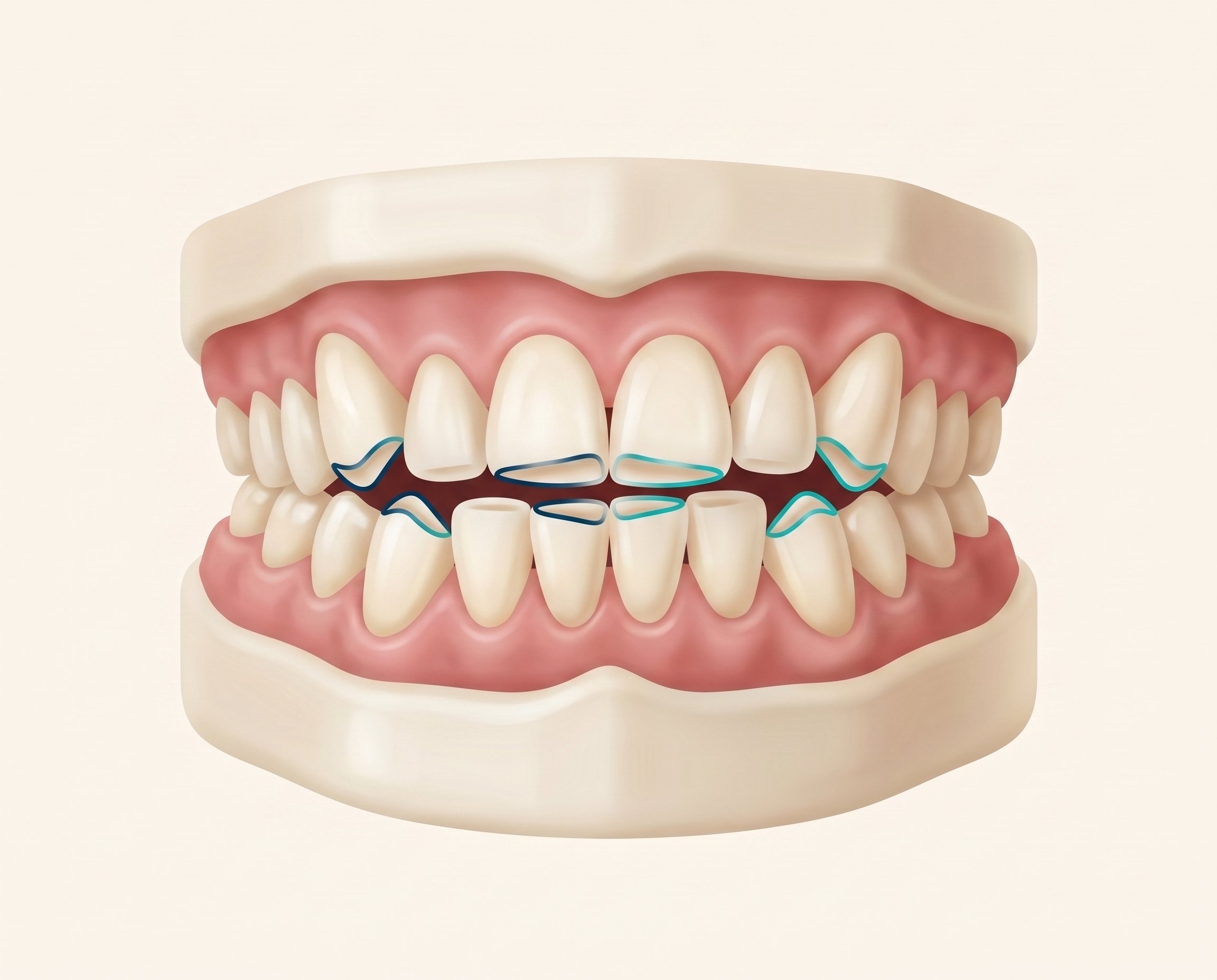
When a tooth is structurally weakened — large fillings, fractures, or significant decay — a crown is more reliable than a veneer. You get the aesthetic result with the structural support the tooth actually needs. Dr. House will say so when that's the case.
See Crowns & Bridges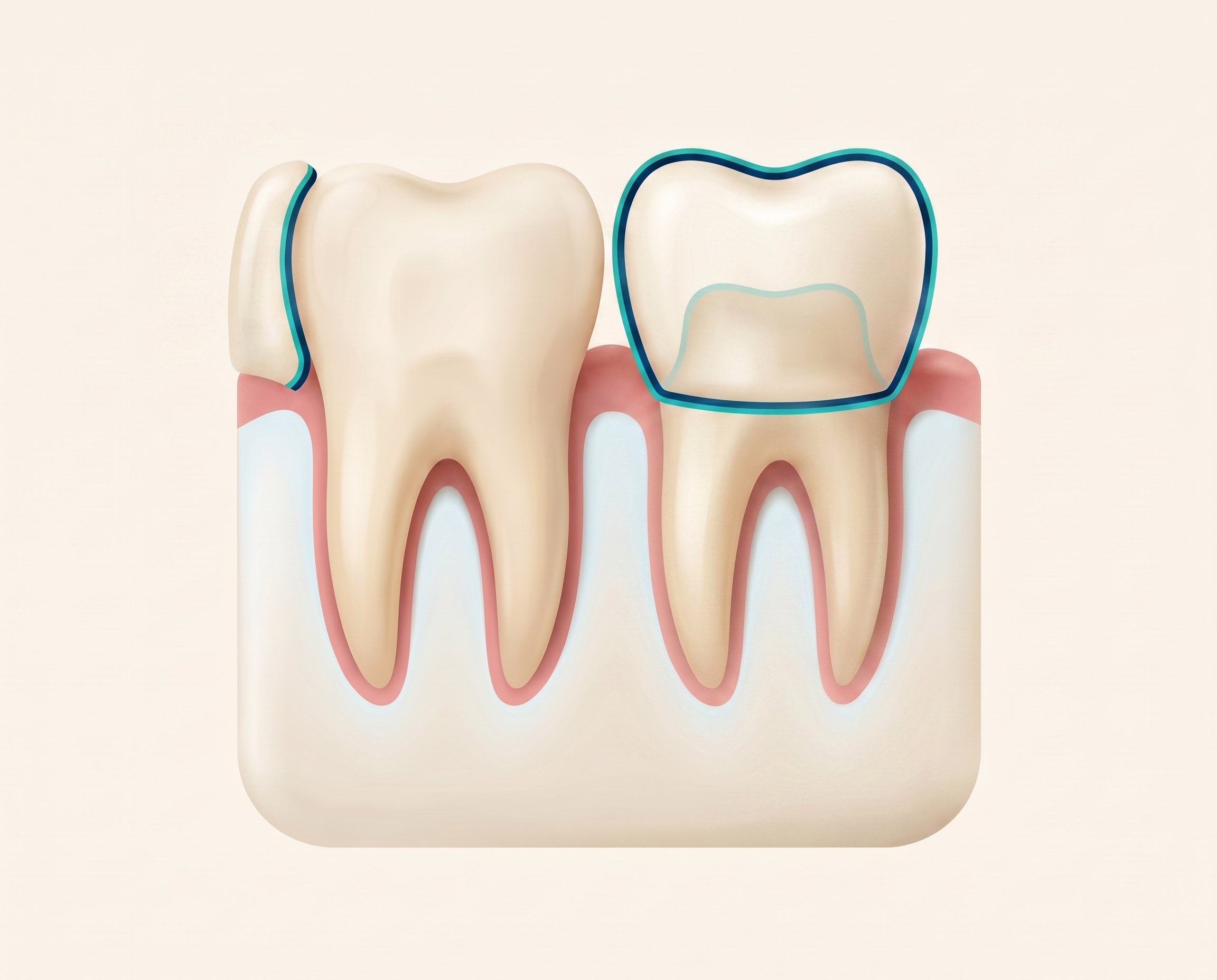
Your two-hour first visit includes digital scans, photographs, cone beam imaging, and a full bite analysis. Dr. House evaluates whether veneers are the right restoration — and whether anything needs to be stabilized first.
Dr. House designs your smile digitally — shade, shape, length, proportion. You see a preview before any enamel is touched. Adjust the design until it's what you actually want.
A thin layer of enamel is removed from the front of each tooth to make room for the veneer. Temporary veneers are placed while the custom porcelain is being fabricated.
Your veneers are crafted to match the approved smile design, each shade and contour custom to your face. Fabrication typically takes one to two weeks.
Dr. House bonds each veneer in place, checks the bite in detail, and adjusts until the fit and aesthetics are right. Follow-up visits protect the investment over time.
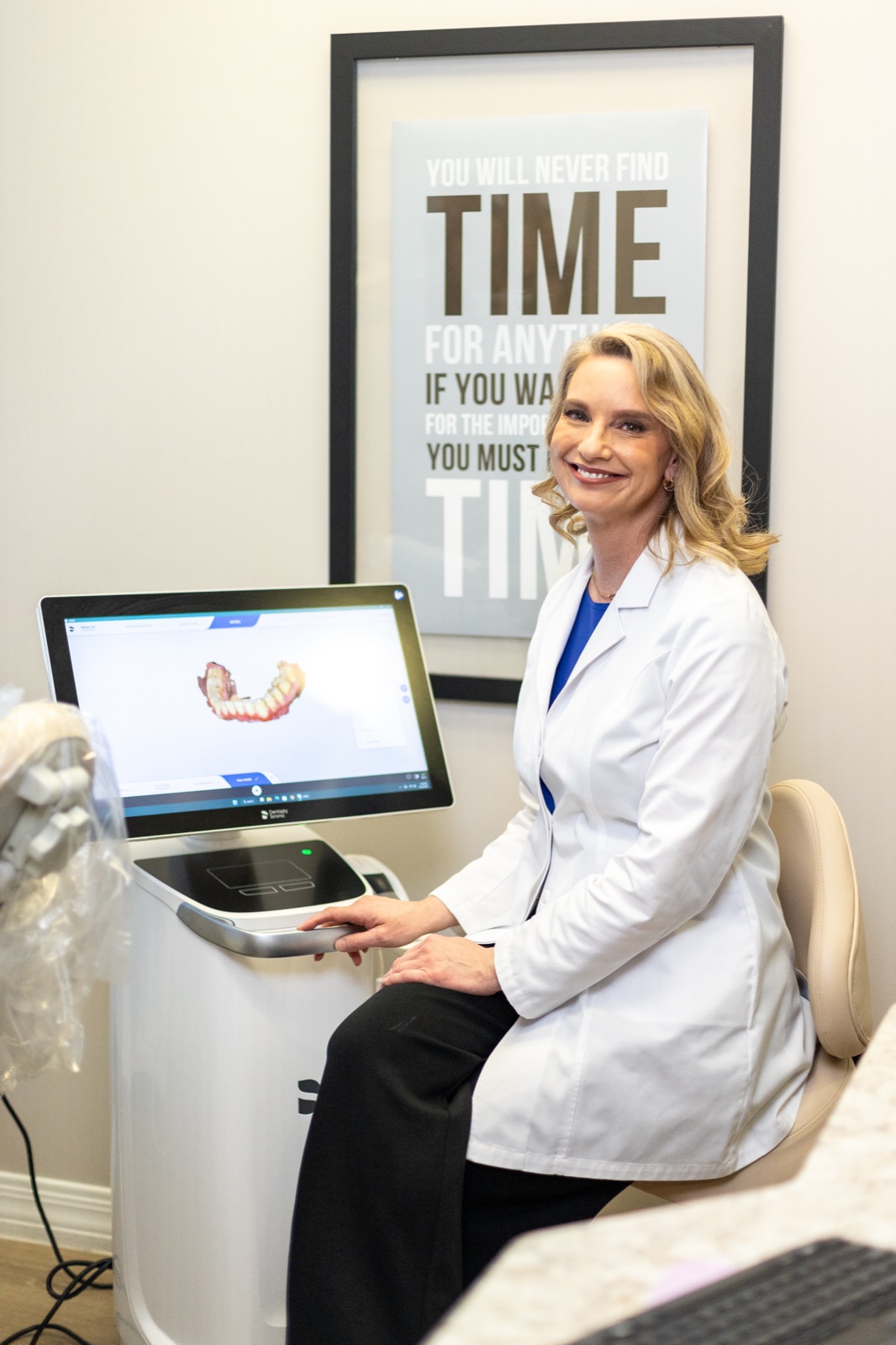
Twenty-four years of cosmetic dentistry built on a simple principle: veneers belong on a healthy foundation, not instead of one.
Dr. House takes on veneer cases she believes in — and turns away the ones she doesn't. Her approach starts with a full diagnostic workup: cone beam imaging, bite analysis, jaw position, and wear patterns. She designs your smile digitally, previews it before any preparation happens, and works with a lab partner whose porcelain matches her standards. The result is cosmetic dentistry that holds up for the long run.
Four things that separate cosmetic dentistry that lasts from cosmetic dentistry that fails.
Most veneer failures trace back to a bite that wasn't stable before placement. Dr. House evaluates the jaw, the occlusion, and any grinding habits before recommending veneers. If the foundation is off, she corrects it first.
You approve the look before any preparation begins. Shape, shade, proportion, length — all previewed digitally. No surprises when the porcelain comes back from the lab.
Dr. House turns away veneer cases she doesn't believe in. If the right answer is orthodontics, crowns, or TMJ stabilization, she says so — even if that means you go elsewhere for veneers.
Lab partners whose porcelain meets Dr. House's standards. Bonding protocols refined over 24 years. Follow-up care built into the plan, because longevity depends on care after placement too.
Three other dentists quoted me for veneers the day I walked in. Dr. House spent two hours evaluating my bite and told me the veneers would chip in three years if we didn't address my grinding first. I did a splint for six months, then the veneers. Five years in, they look perfect.
Verified Google ReviewThe digital smile preview was the thing that sold me. I saw exactly what my teeth would look like before Dr. House touched any enamel. We tweaked the length and shape twice before she started. The result looks like me, just better.
Verified Google ReviewStraightforward answers to the questions we hear most often.
Porcelain veneers at House Dental typically cost $1,800 to $2,500 per tooth. Pricing depends on the number of veneers, whether bite correction or other preparatory work is needed, and the complexity of the smile design. Financing is available through CareCredit and Proceed Finance.
Properly planned and placed veneers typically last 15 to 20 years. Longevity depends on the underlying bite, how the veneers are cared for, and whether grinding or clenching is addressed. That's why Dr. House won't place veneers on an unstable bite — the restoration will fail.
Veneers are right for patients who want to correct shape, color, minor alignment, or worn front teeth — and whose bite, jaw, and underlying teeth can support the restoration long-term. If you want veneers without addressing underlying bite issues, this may not be the right practice. Dr. House is upfront about that.
Veneers require removing a small amount of enamel to fit properly. The preparation is minimal and irreversible — you can't “undo” a veneer. That's why a thorough diagnostic evaluation matters before any enamel is touched. Dr. House makes sure veneers are right for you before committing.
A veneer covers the front surface of a tooth — shape, color, shade. A crown covers the entire tooth and is used when the tooth is structurally compromised. Veneers are cosmetic and conservative. Crowns are restorative and more comprehensive. Dr. House evaluates which is right based on what the tooth actually needs.
Veneers are typically considered cosmetic and are not covered by dental insurance. In cases where a veneer is medically necessary — such as repairing a chipped or worn tooth — some coverage may apply. Financing through CareCredit and Proceed Finance is available for out-of-pocket costs.
House Dental is at Camelback and 32nd Street — just east of the Biltmore and a few minutes from Paradise Valley and Scottsdale.
If you want a smile you won't have to redo in five years, the first step is a conversation about whether veneers are actually the right answer for your mouth. Sometimes they are. Sometimes they're not. Dr. House will tell you which.