Pain Relief That Holds
Treat the cause, not the symptom — so the pain doesn't just come back.
Jaw pain, clicking, locking, morning headaches — these are symptoms most dentists don't treat. Dr. House does.
If any of these sound familiar, a thorough evaluation is the right first step.
Your temporomandibular joints are the two hinges that connect your lower jaw to your skull. You use them every time you speak, chew, yawn, or swallow. When something goes wrong with these joints or the muscles around them, it rarely feels like a jaw problem. It shows up as headaches that won't go away. Ear pain with no infection. A clicking jaw. Teeth that chip for no obvious reason.
These symptoms cross medical specialties, and the connection to the jaw often gets missed. Your previous doctors weren't ignoring you. Most dental practices aren't structured for this kind of diagnosis either. Dr. Allison House is. Over 24 years, she has built a practice around finding what others may not have had time to uncover. TMJ is one of the conditions she treats most — and one most general dentists refer out entirely.
Beyond pain relief — here's what changes when the root cause is found and addressed.
Treat the cause, not the symptom — so the pain doesn't just come back.
Fewer morning headaches. Fewer middle-of-the-night wake-ups.
Stop the grinding forces that chip, crack, and wear teeth down.
A stable jaw means biting into what you've been avoiding.
Leave understanding what's actually happening in your jaw.
TMJ is a puzzle. The pain is in one place. The cause is usually somewhere else. These are the patterns Dr. House sees most often.
Root cause: Nighttime clenching from an unstable bite. The jaw has no resting position, so the muscles work all night trying to find one — and you wake up with a headache.
Headaches & Dentistry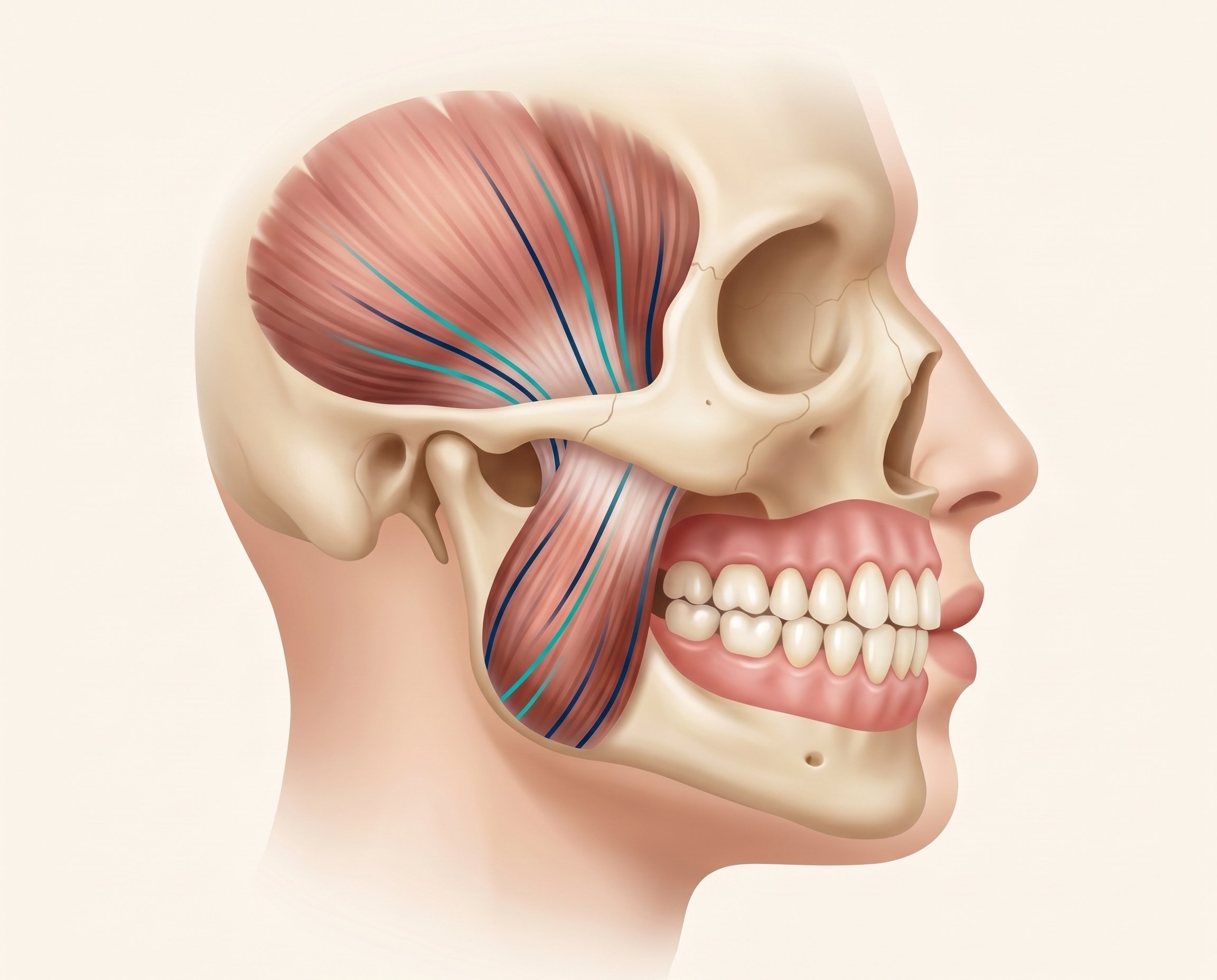
Root cause: The disc inside the joint has slipped off-center. The click is the disc catching and releasing as the jaw moves. Left alone, it often progresses to locking.
Request an Evaluation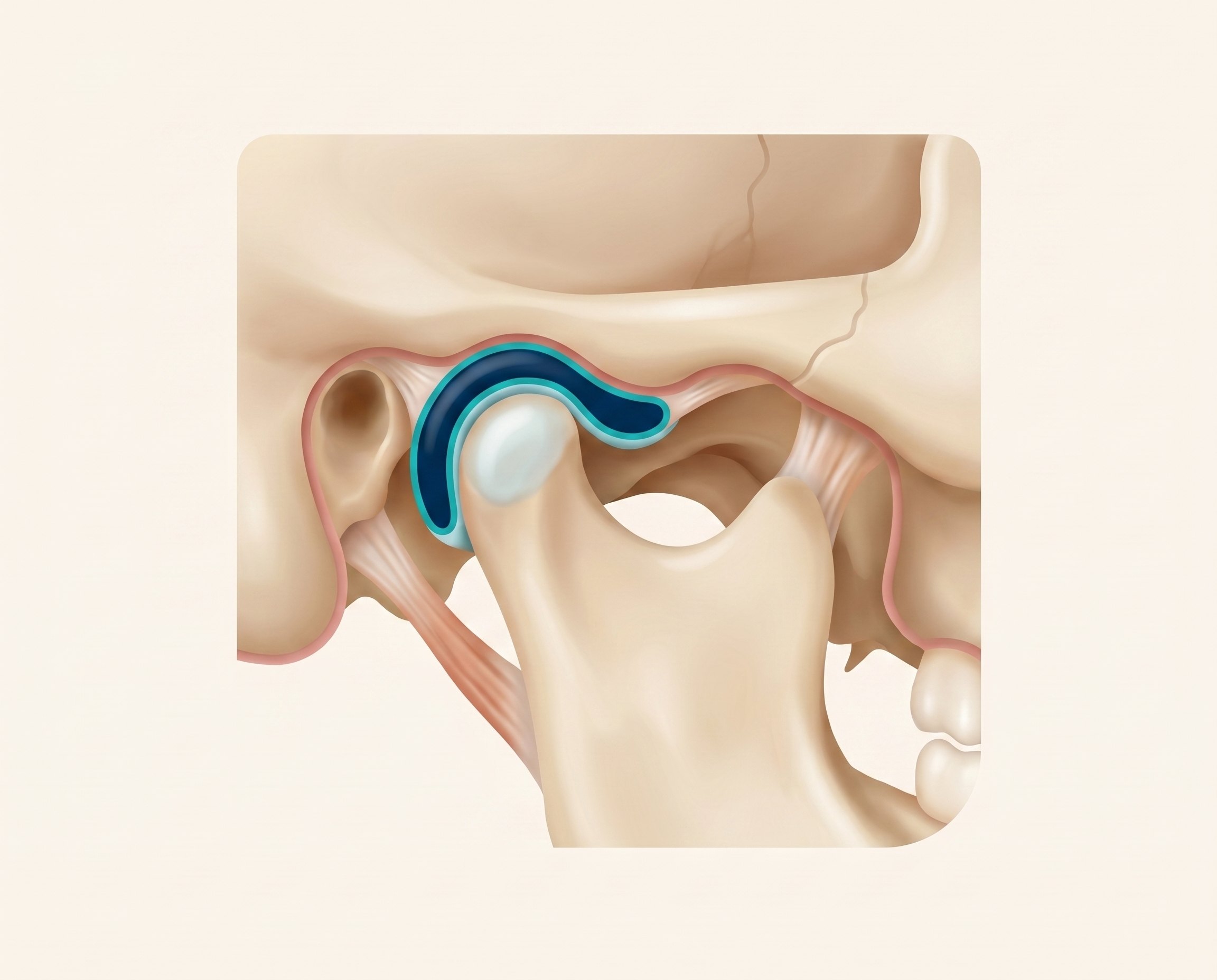
Root cause: The disc is stuck in front of the joint. The jaw can't glide past it until the disc releases — or until someone repositions it.
My Jaw Hurts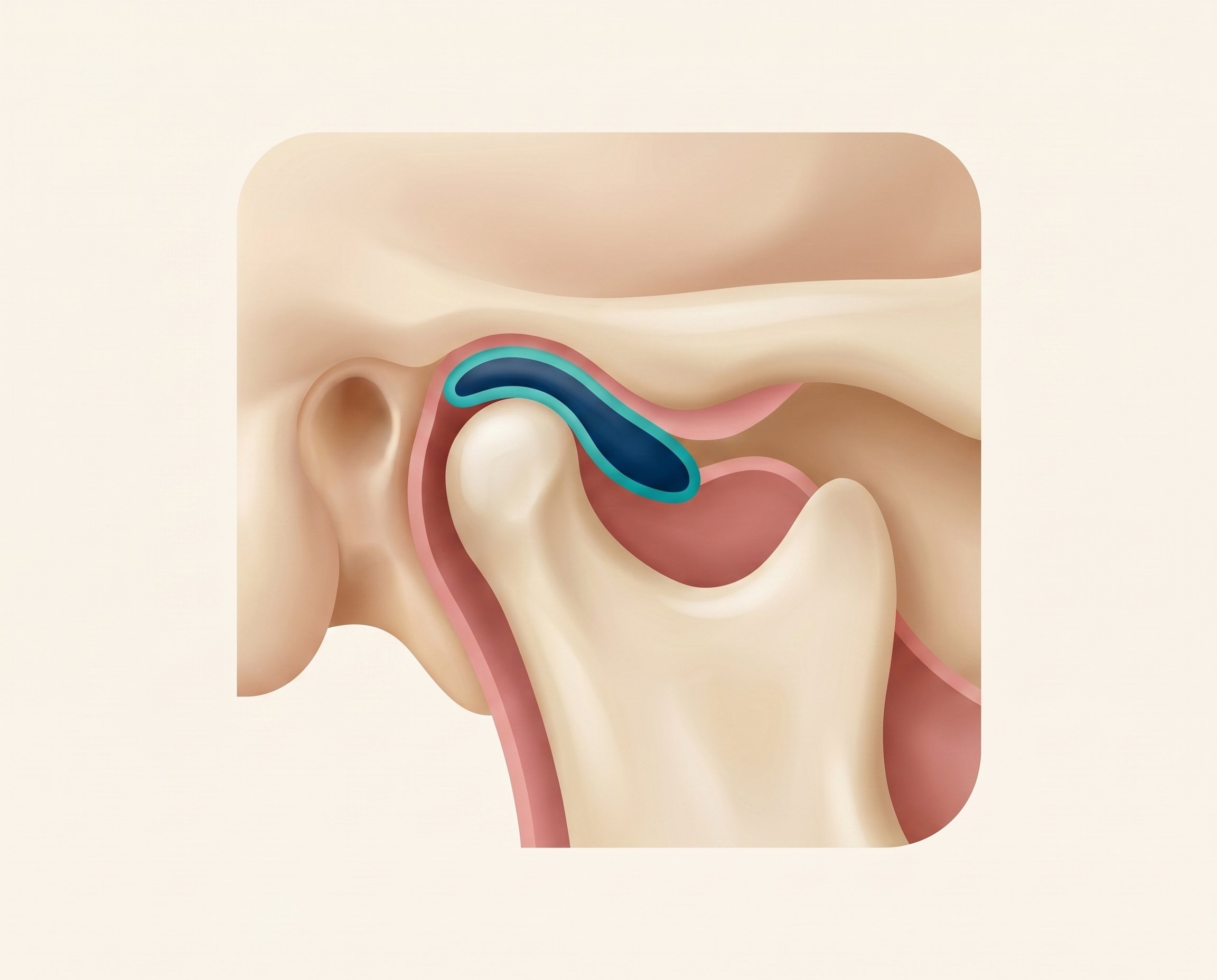
Root cause: Referred pain from the TMJ, which sits directly in front of the ear canal. Inflamed joint tissue sends signals the brain reads as an ear problem.
Schedule a Visit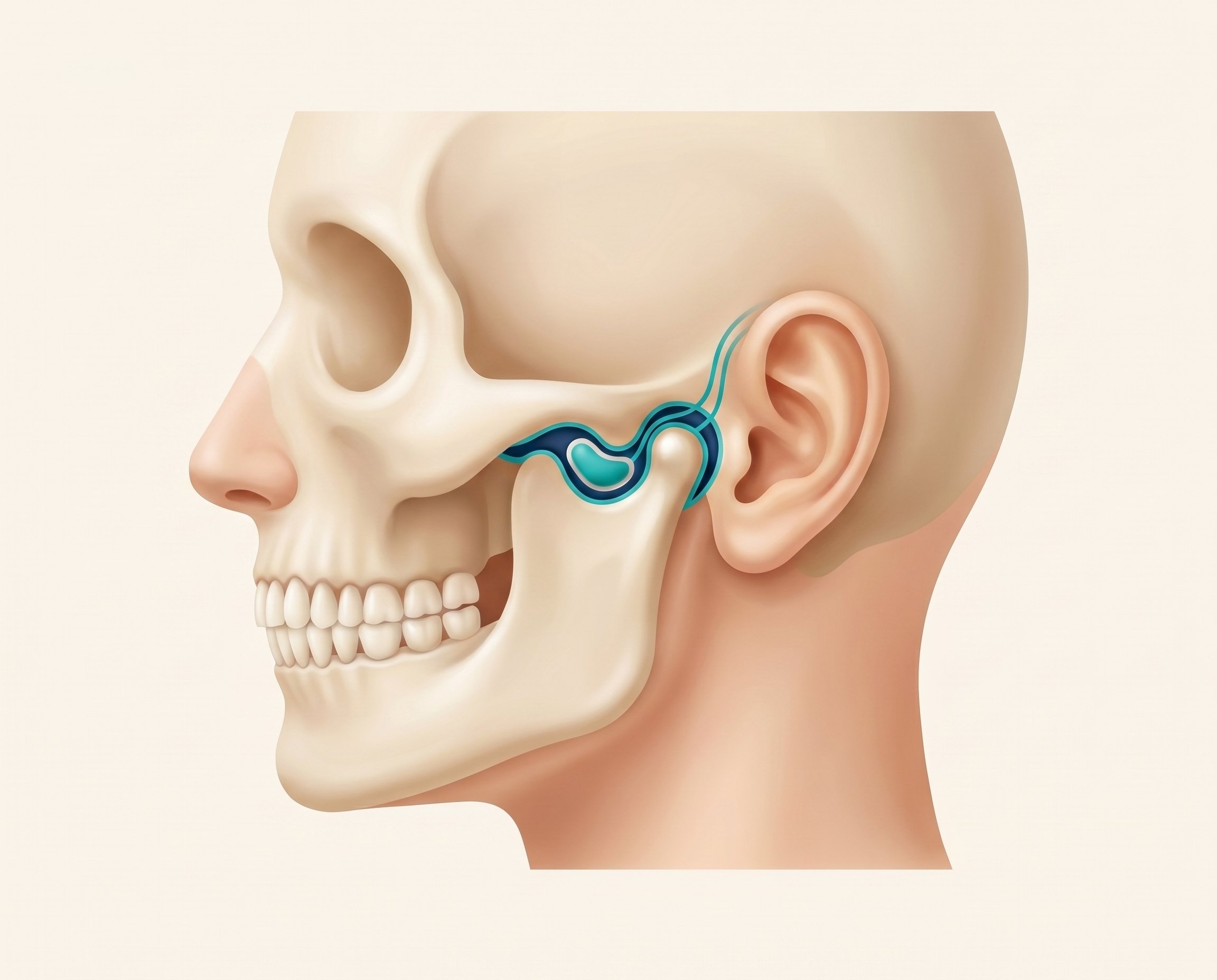
Root cause: A bite that's out of alignment. Teeth hit each other at the wrong angles and absorb forces they were never built to handle.
Crowns & Bridges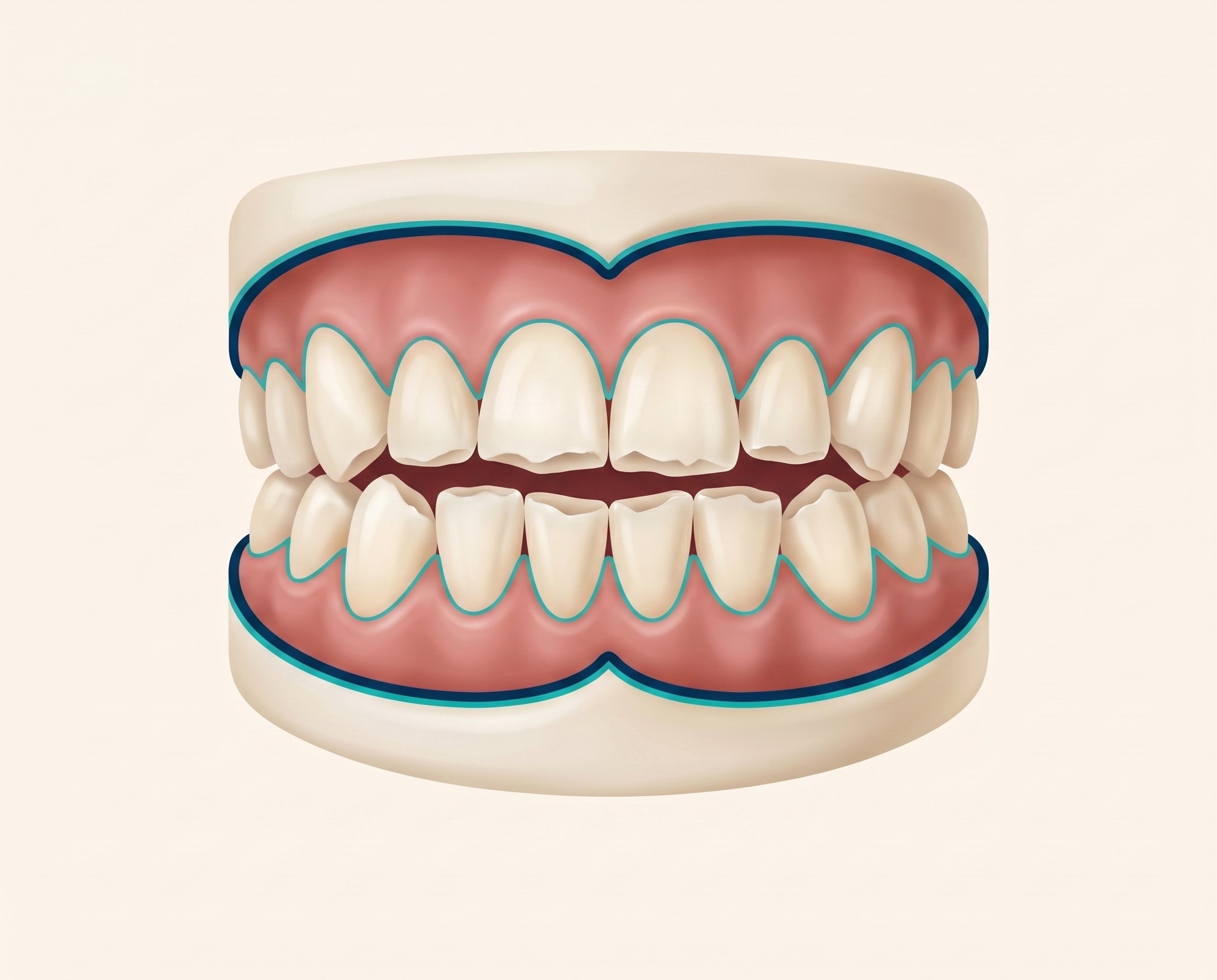
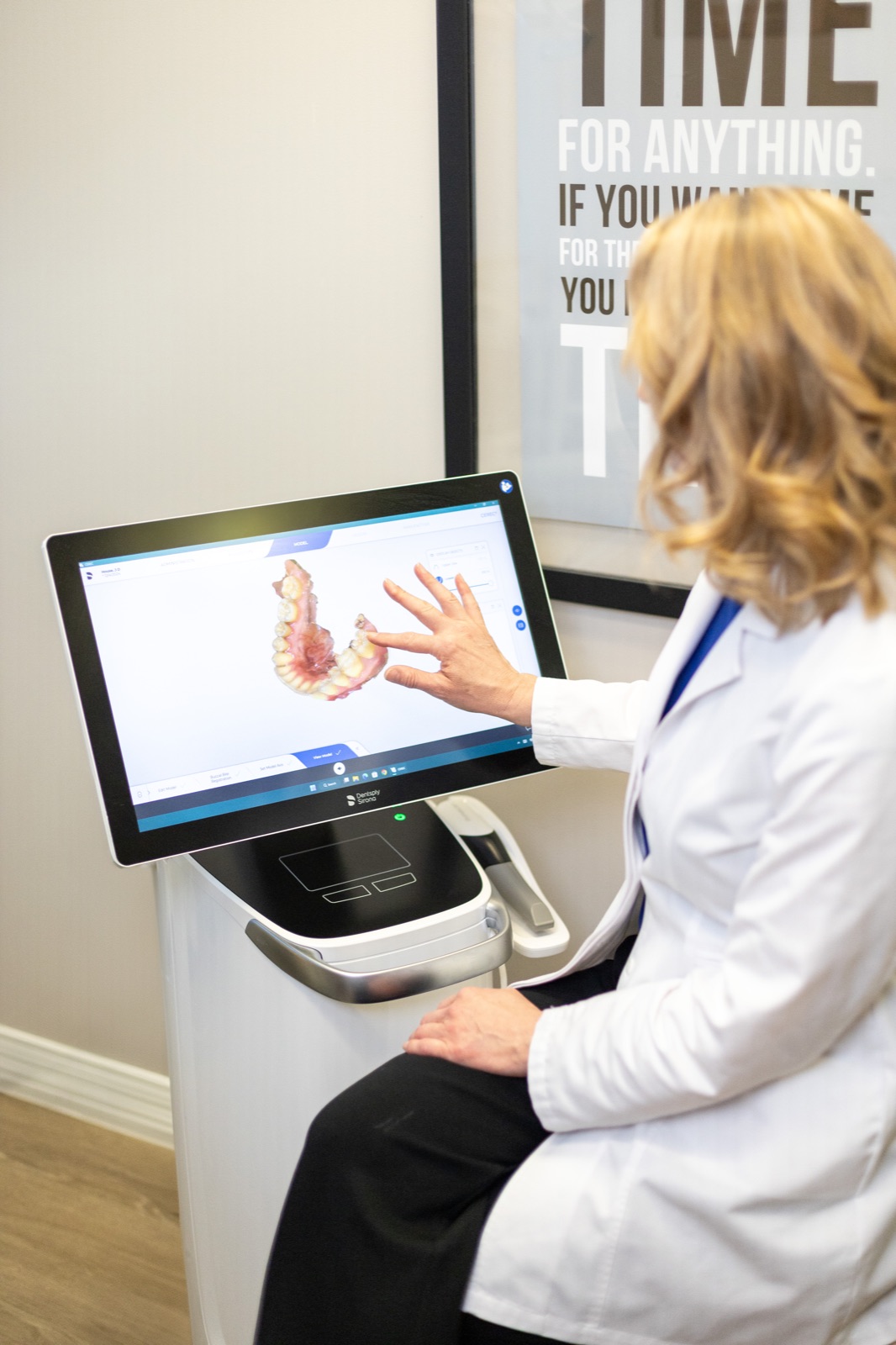
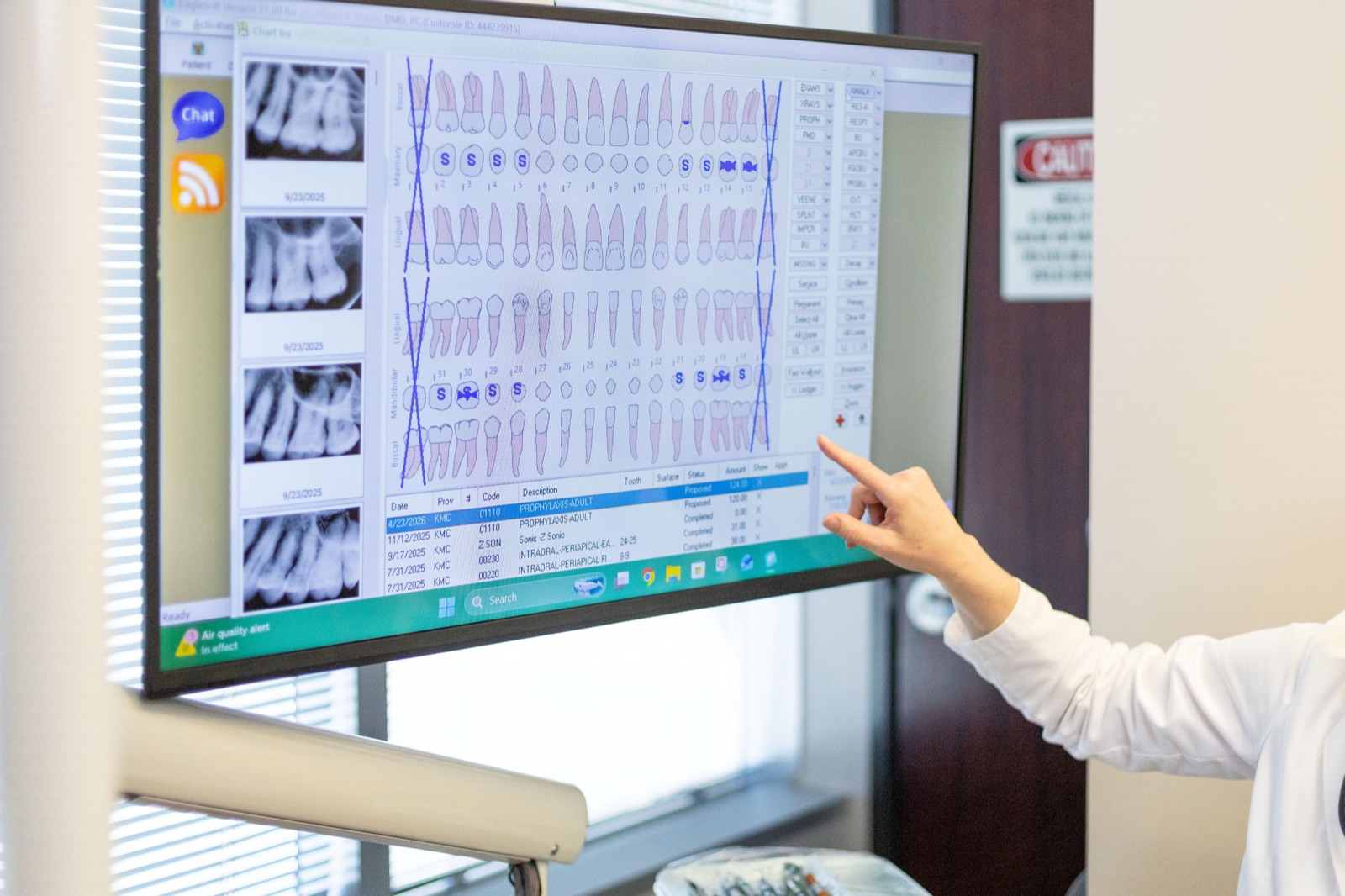
Your two-hour first visit includes cone beam CT scans, full-series X-rays, digital impressions, and photographs. Dr. House checks joint sounds, range of motion, muscle tenderness, sleep patterns, and medications. Nothing is assumed.
Dr. House studies the data and identifies the source of the problem, not just the symptoms. She explains what's happening with your jaw, your bite, and your joints in plain language. You understand the “why” before anything begins.
If the jaw is out of position, the first phase is a custom orthotic splint. It guides the jaw toward a stable alignment and reduces stress on the joint. This is not a night guard — it's a therapeutic tool based on your diagnostic data, adjusted over time as your jaw responds.
Once the jaw is stable, Dr. House addresses what the teeth need to support that position long-term — rebuilding worn teeth with crowns, correcting the bite with orthodontics, or replacing missing teeth with implants. Each step protects the progress already made.
TMJ treatment doesn't end when the symptoms stop. Dr. House builds follow-up into every plan so the results hold. There's a right moment for everybody, and a right pace for keeping the outcome stable.
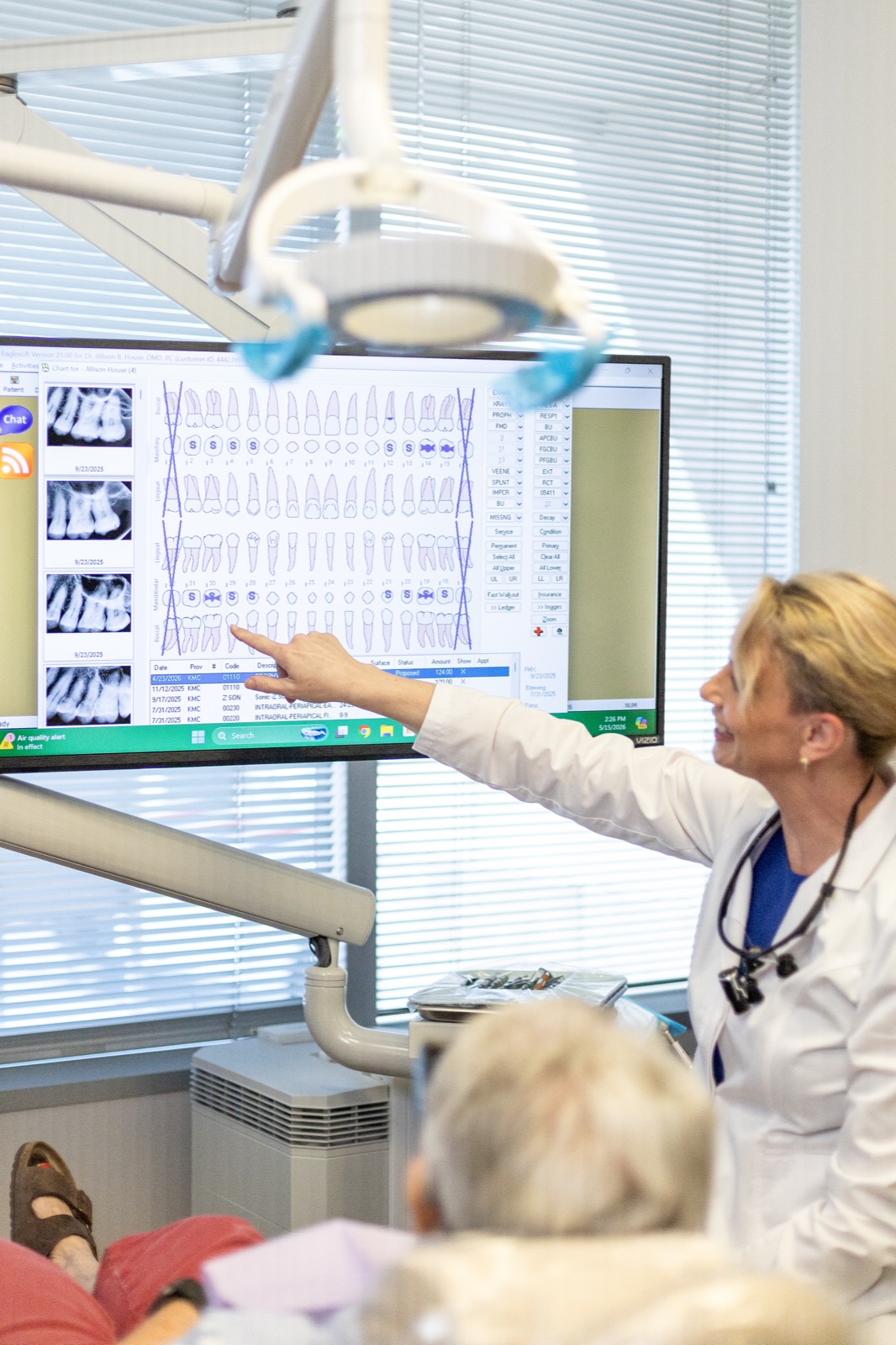
Twenty-four years of saying yes to the puzzles most dentists refer out — because solving them is what she does best.
Dr. House treats more TMJ cases than nearly any general dentist in Phoenix. Her approach starts where most exams end: cone beam imaging, bite analysis, joint evaluation, and a careful conversation about sleep, medications, and symptoms across the whole body. She doesn't rush the diagnosis — because the diagnosis is usually what's been missing.
Four things that make this practice different — and why TMJ treatment here tends to hold.
Most TMJ patients have been treated for the symptom without anyone investigating the cause. Dr. House starts with a two-hour first visit that includes cone beam CT imaging, full-series X-rays, digital scans, and a careful evaluation of how your jaw moves. She looks at the whole picture before recommending anything.
A night guard protects teeth from grinding damage. It does not fix why you're grinding. Dr. House investigates jaw position, bite alignment, and the condition of the joint itself — then uses custom splint therapy or, when the case calls for it, orthodontics and restoration to correct what's actually happening.
When the jaw is out of position, Dr. House uses a custom orthotic designed from your diagnostic data and adjusted over time as your jaw responds. The goal is to move the jaw where the muscles can relax, the joint can heal, and the bite can stabilize.
TMJ treatment often reveals the jaw problem is part of a bigger picture. Teeth may need to be rebuilt. Sleep may need to be looked at. Missing teeth may need to be replaced. Dr. House plans these phases together so each step supports the next. It's a group effort.
I had daily headaches for years. I'd seen my doctor, an ENT, and even a neurologist. Nobody mentioned my jaw. Dr. House did a cone beam on the first visit and found the problem that afternoon. Splint therapy started within two weeks. Three months later the headaches were gone.
Verified Google ReviewMy jaw used to lock when I yawned. My old dentist gave me a night guard and told me to live with it. Dr. House actually looked at the joint, found a disc displacement, and built a plan. It's the first time anyone explained what was happening.
Verified Google ReviewStraightforward answers to the questions we hear most often.
Morning headaches and temple pain are often related to jaw clenching during sleep. If you've seen a neurologist or your doctor and the headaches persist, a dental evaluation by a TMJ-focused dentist can uncover what others may not have had time to investigate. Dr. House evaluates jaw position, bite alignment, and joint condition as part of every TMJ workup. Learn more about headaches and dental problems.
No. A night guard shields your teeth from grinding damage. It does not address why you're grinding. TMJ treatment investigates jaw position, bite alignment, and joint condition to find and treat the root cause. A night guard is one tool. Treatment is the whole plan.
It depends on the cause. Splint therapy typically takes three to six months. If bite correction, orthodontics, or restorative work follows, the full process takes longer. Dr. House doesn't rush the timeline — lasting results depend on each phase completing properly.
Coverage varies by plan. Some dental and some medical plans cover portions of TMJ treatment, including diagnostic imaging and splint therapy. House Dental accepts CIGNA and Aetna. Financing through CareCredit and Proceed Finance is available. Our team will help you understand your options at your first visit. See insurance & financing details.
It often does. A jaw that clicks today may lock tomorrow. Teeth under stress from a misaligned bite continue to wear, chip, and break. Headaches can become more frequent. The sooner the underlying cause is identified, the more options you have — and the less damage accumulates over time.
When a dentist says there's nothing more they can do, they usually mean they've reached the limit of what they can see with the tools and time they have. That doesn't mean there's no answer. It means the answer requires a different kind of investigation. A two-hour first visit is where that investigation starts.
House Dental is at Camelback and 32nd Street — just east of the Biltmore and a few minutes from Paradise Valley and Scottsdale.
A Patient Story
If you've been dealing with jaw pain, headaches, or clicking that nobody can explain, the first step is a thorough diagnosis. Not a quick look. Not a night guard prescription. A real investigation into what your jaw is doing and why.