Real Sleep
The kind that actually restores you, not just fills the hours.
Oral appliance therapy and dental sleep screening — coordinated with your physician, fit with the same diagnostic depth Dr. House brings to every case.
These signs show up during a comprehensive dental exam. If any sound familiar, a sleep screening is the right first step.
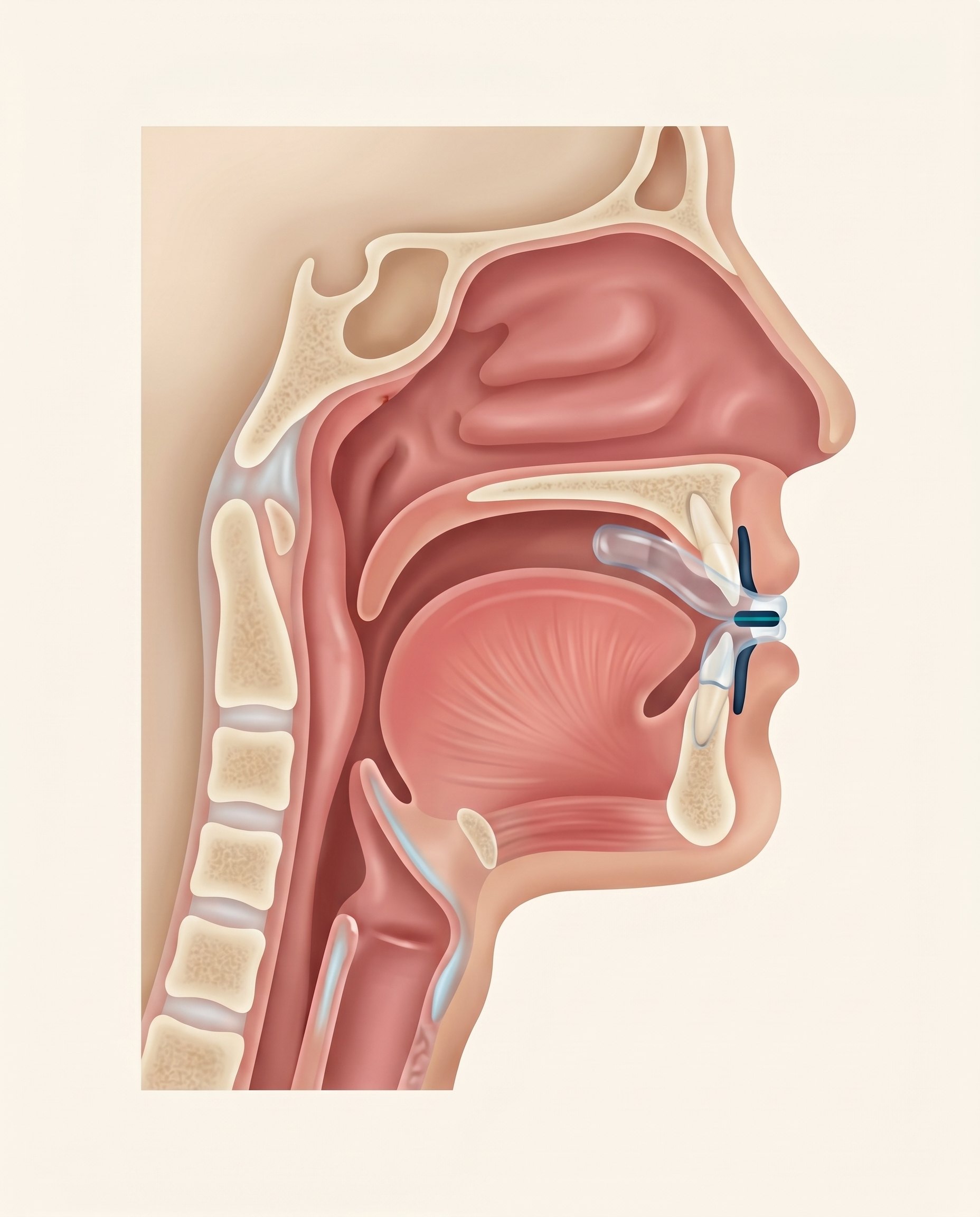
Obstructive sleep apnea happens when the airway collapses during sleep — dozens or hundreds of times per night — starving your body of oxygen. It raises your risk of high blood pressure, stroke, heart failure, and early cognitive decline. And it often shows up in the mouth long before it gets diagnosed: worn and chipped teeth from clenching, a scalloped tongue, a narrowed airway visible on a cone beam CT scan.
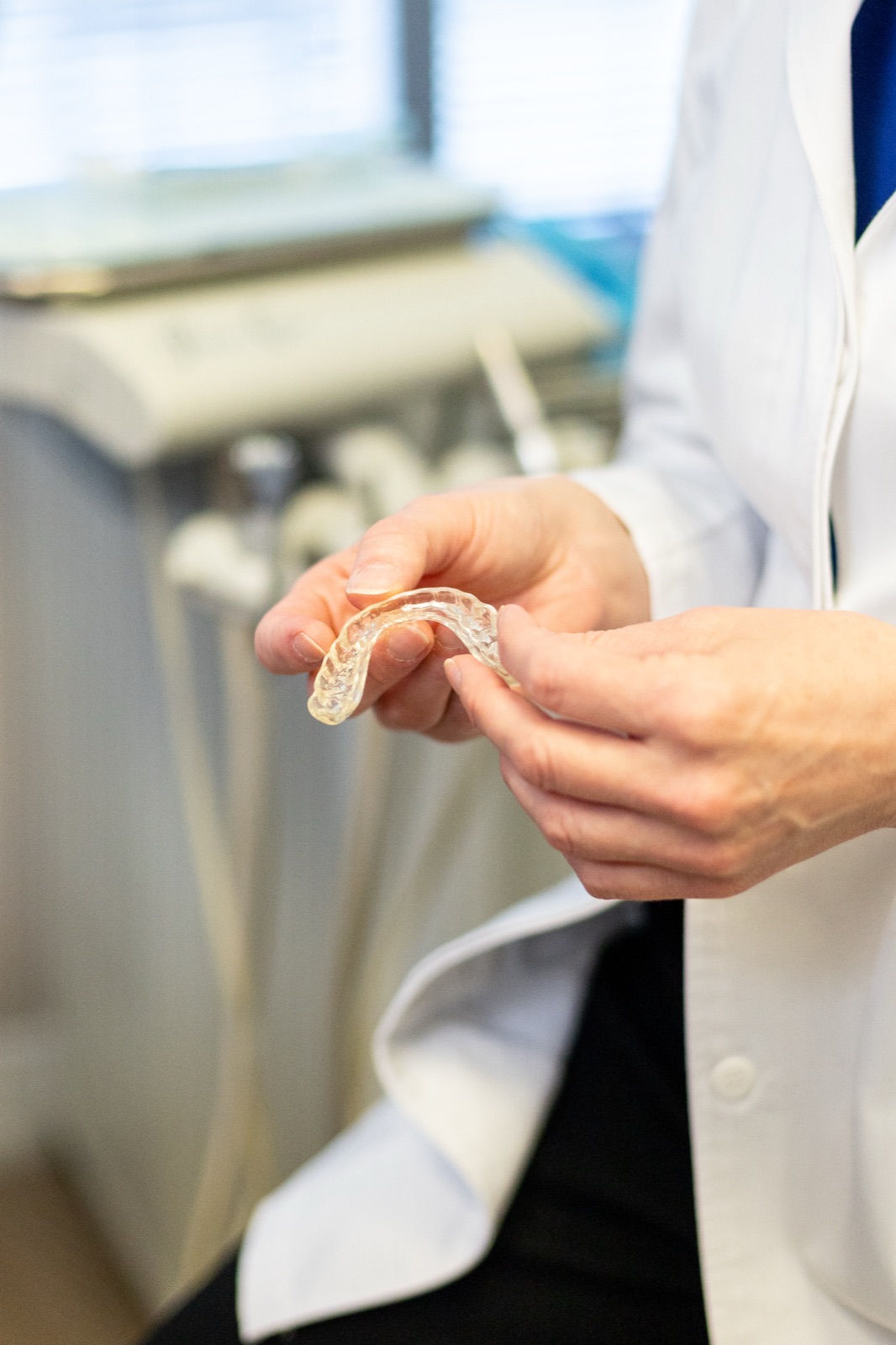
Dr. House screens for sleep-disordered breathing at every comprehensive evaluation — because she's the provider most likely to catch it first. When the signs are there, she refers you to a sleep physician for formal diagnosis, then fabricates a custom oral appliance to hold the jaw and tongue forward during sleep. It's a treatment — not a substitute for addressing the whole health picture — and it works for the patients it's designed for.
A patient came in to fix two front teeth. Two hours later, Dr. House had found four cracked teeth on a mouth that had never seen a filling — and the cause wasn’t dental.
“We don’t just want to solve the dental issue. We want to look at the whole picture.” — Dr. Allison House
Beyond quieter nights — here's what changes when your airway stays open.
The kind that actually restores you, not just fills the hours.
Less fog, fewer afternoon crashes, more of your actual self.
Lower blood pressure, reduced stroke and heart failure risk.
Stop the nighttime grinding forces from wearing teeth down.
For mild-to-moderate cases, a comfortable appliance you'll actually wear.
Dr. House does not diagnose sleep apnea. She screens for it, refers for a formal diagnosis, and fabricates the oral appliance — all while coordinating directly with your physician or sleep specialist.
Screens during the comprehensive dental exam. Orders or reviews the cone beam CT for airway anatomy. Flags patients who should pursue a sleep study. After diagnosis, designs and fabricates a custom mandibular advancement device and titrates it over several visits.
Request a Screening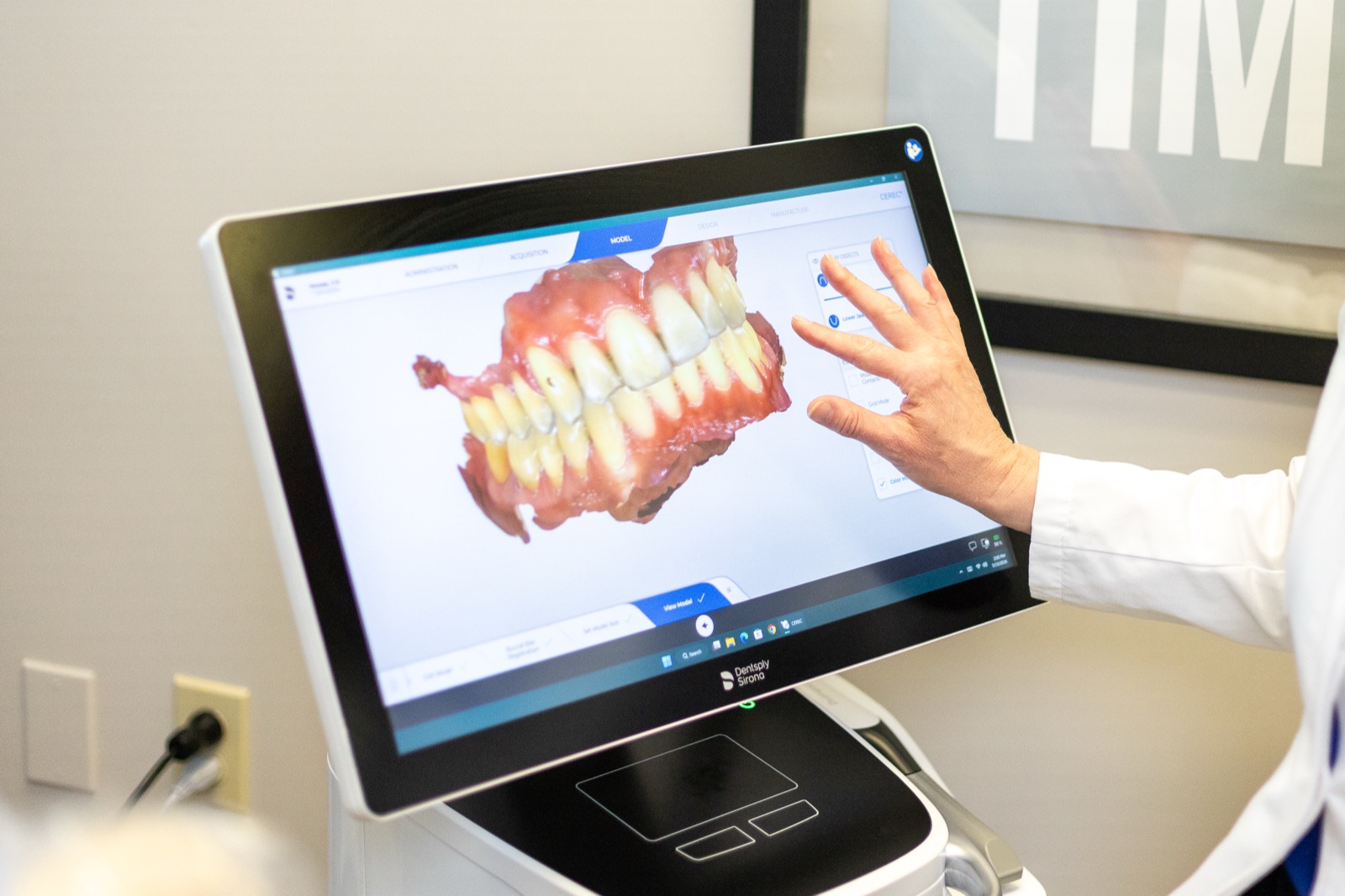
Orders and interprets the sleep study (home or lab). Makes the formal diagnosis of obstructive sleep apnea and its severity. Decides whether oral appliance therapy, CPAP, or a combination is appropriate. Provides the prescription Dr. House works from.
Coordinate With Your MD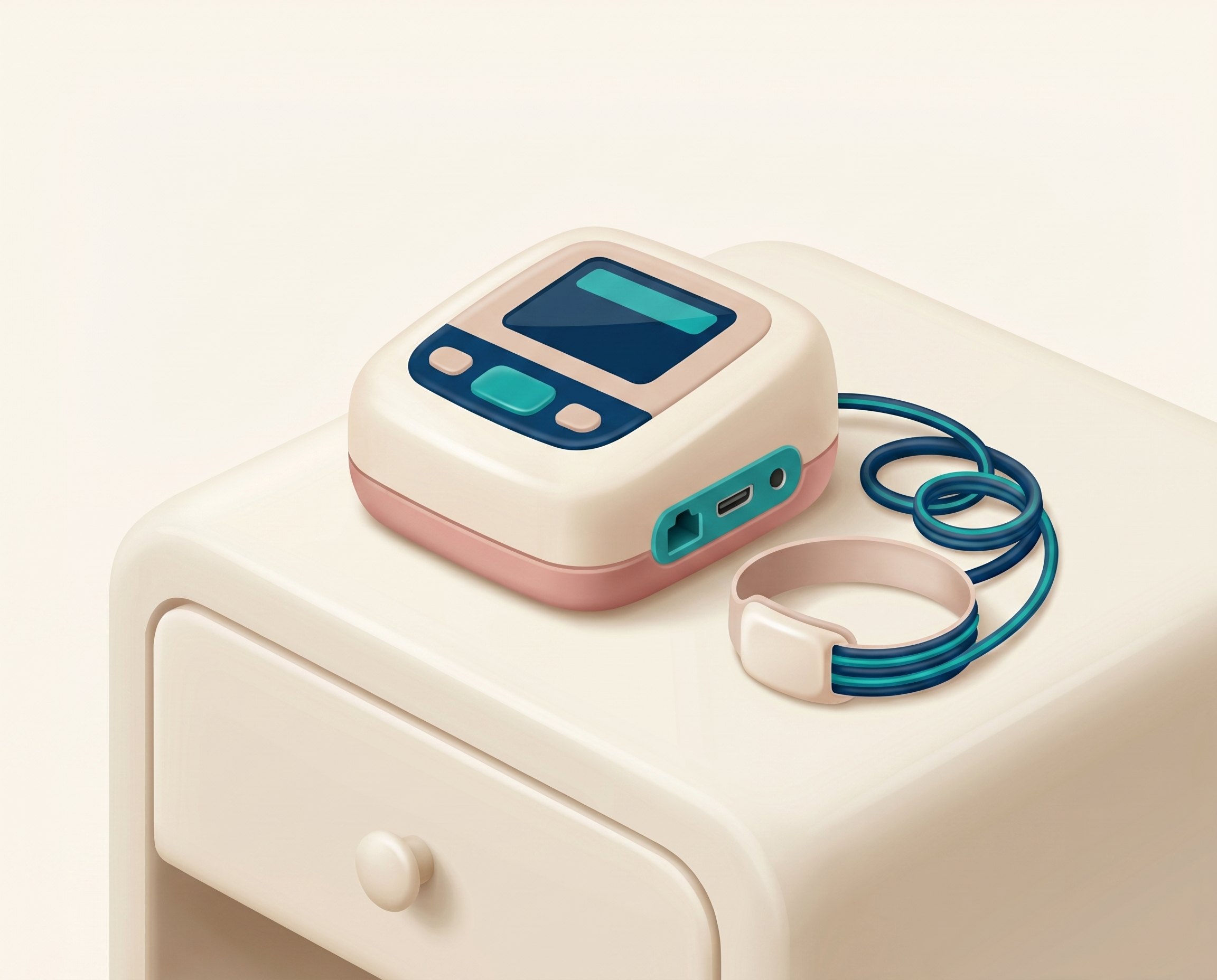
Dr. House sends diagnostic findings directly to your physician or sleep specialist. Once therapy begins, she forwards progress notes. If the appliance needs adjustment or isn't resolving symptoms, she re-engages your medical team rather than going it alone. It's a group effort.
See How the First Visit Works
At your two-hour first visit, Dr. House evaluates airway anatomy on cone beam CT, tooth wear patterns, tongue and palate shape, and a sleep questionnaire. She identifies red flags most practices don't screen for.
If the screening suggests sleep apnea, Dr. House refers you to a sleep physician or your primary care doctor. A home sleep study or in-lab polysomnogram confirms the diagnosis and grades the severity. No appliance is made without this step.
With the diagnosis in hand, Dr. House takes digital scans and designs a custom mandibular advancement device — the kind that gently holds the lower jaw forward to keep the airway open during sleep. Fabricated from the scans, delivered in about two weeks.
Over several follow-up visits, Dr. House gradually advances the jaw position — enough to open the airway, not so much that it stresses the TMJ. She monitors your jaw joint and adjusts for comfort. You feel the difference as the titration progresses.
Most sleep physicians want a follow-up sleep study to confirm the appliance is controlling the apnea. Dr. House coordinates the referral and shares clinical notes. Annual check-ins keep the appliance fitting correctly and the airway protected.
The dentist who'll notice the sleep apnea your physician hasn't screened for yet.
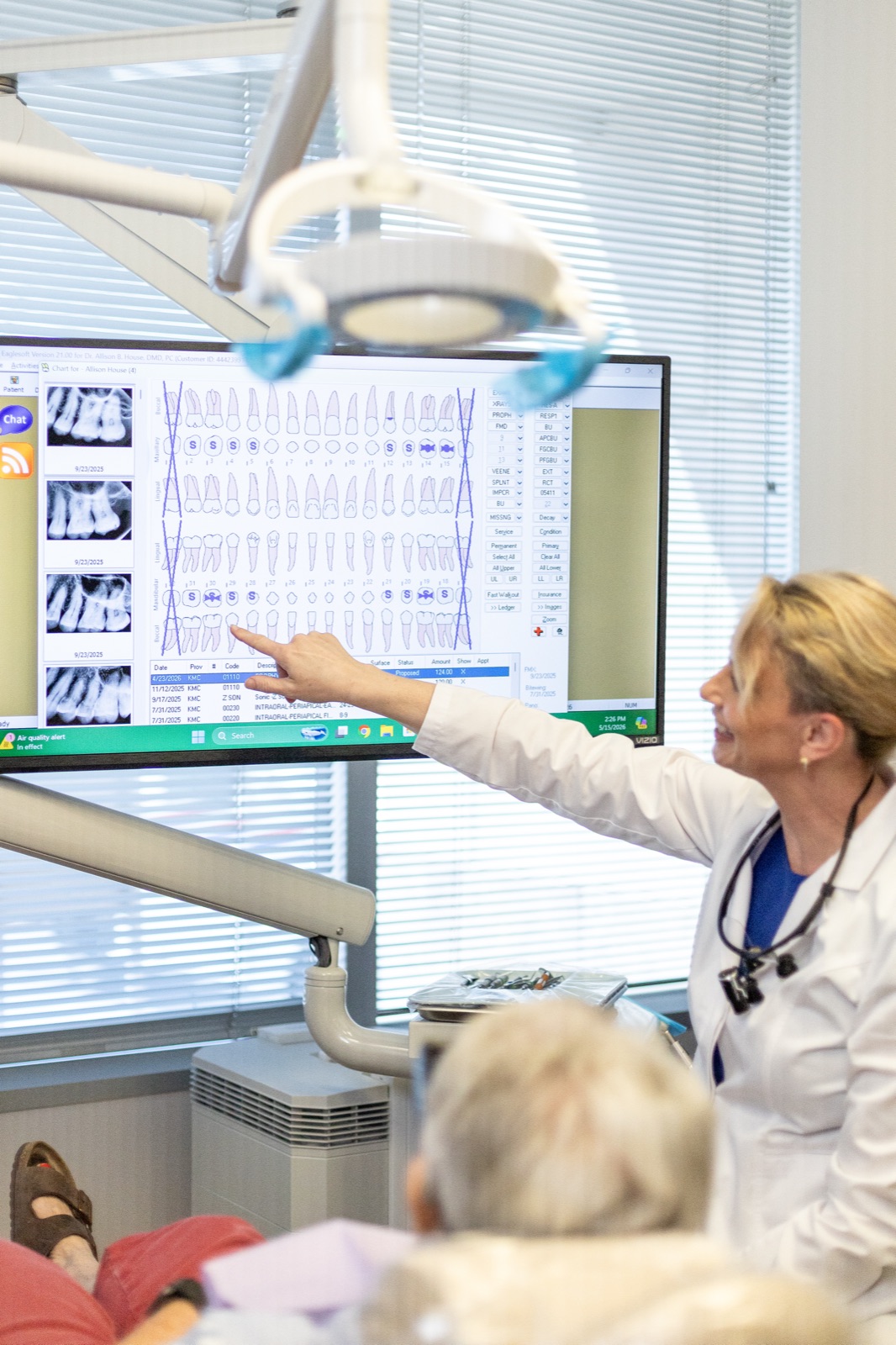
Sleep apnea screening is built into every comprehensive exam at House Dental. Dr. House reads airway anatomy on cone beam CT, correlates tooth-wear patterns with nighttime airway struggle, and asks the sleep questions most dentists skip. When she sees the signs, she refers for formal diagnosis and coordinates the oral appliance therapy with your physician. She treats the teeth and she protects the airway — because they're part of the same system.
Four things that make this practice different — and why the appliance tends to work.
Every comprehensive exam at House Dental includes an airway review on cone beam CT, a sleep questionnaire, and analysis of tooth wear and tongue posture. Many patients learn they have sleep apnea from Dr. House before their physician raises the subject.
Dr. House doesn't operate in a silo. Referrals to sleep physicians, documentation for sleep studies, clinical notes back to your primary care doctor — she coordinates the medical side so the appliance therapy fits the bigger picture.
Your appliance is designed from digital scans and adjusted over several in-office follow-ups — not mailed to you with instructions. The titration is where oral appliance therapy succeeds or fails.
Advancing the jaw to open the airway can stress the TMJ. Dr. House monitors the joint through titration and adjusts the appliance when needed — because she treats both, together.
Dr. House looked at my cone beam during my first visit and told me she suspected sleep apnea. My primary care doctor had never mentioned it. A sleep study confirmed moderate OSA. Three months into the oral appliance, my mornings feel like mornings again.
Verified Google ReviewI'd given up on CPAP. The mask made me claustrophobic. Dr. House and my sleep doctor worked together to get me set up with an oral appliance. It's not perfect, but I actually wear it every night — which is more than I can say for the CPAP.
Verified Google ReviewStraightforward answers to the questions we hear most often.
Dentists treat mild to moderate obstructive sleep apnea with a custom oral appliance — a mandibular advancement device that gently holds the lower jaw forward during sleep to keep the airway open. The device is fitted from digital scans, titrated over several follow-up visits, and coordinated with a physician's formal diagnosis.
For mild to moderate obstructive sleep apnea, yes — an oral appliance is an approved alternative for patients who cannot tolerate CPAP. For severe sleep apnea, CPAP is usually the first-line therapy, though an oral appliance may be added in combination. Dr. House coordinates directly with your physician on which path fits your diagnosis.
Yes. A formal sleep apnea diagnosis from a physician or sleep specialist — typically based on a sleep study — is required before a dentist can fit an oral appliance. If you haven't been tested, Dr. House will screen during your first visit and refer you to an appropriate sleep physician.
Medical insurance — not dental insurance — typically covers oral appliance therapy for diagnosed obstructive sleep apnea. Coverage varies by plan. Our team helps you work through the medical billing and coordinates documentation with your physician. Financing through CareCredit and Proceed Finance is available if needed.
Most patients adjust within one to two weeks. Dr. House titrates the device gradually over several follow-up visits to find the right jaw position — enough to open the airway, not so much that it stresses the TMJ. Adjustments happen in office, in person.
Undiagnosed sleep apnea shows up in the mouth — worn teeth from nighttime clenching, scalloped tongue from airway compression, a high-arched palate from restricted breathing development. Dr. House often detects these signs during a diagnostic exam and initiates the conversation patients' physicians hadn't started.
House Dental is at Camelback and 32nd Street — just east of the Biltmore and a few minutes from Paradise Valley and Scottsdale.
Whether you've been diagnosed with sleep apnea and struggle with CPAP, or you suspect something's going on and want a dentist who'll actually screen for it, the first step is the same. A comprehensive evaluation that looks at the airway, the jaw, and the whole picture.