Eat What You Used To
Chew steak, apples, corn — the foods your diet has quietly been avoiding.
Missing teeth change more than how you look. They change how you eat, how your jaw works, and how the rest of your teeth hold up over time.
If any of these sound familiar, a thorough evaluation is the right first step.
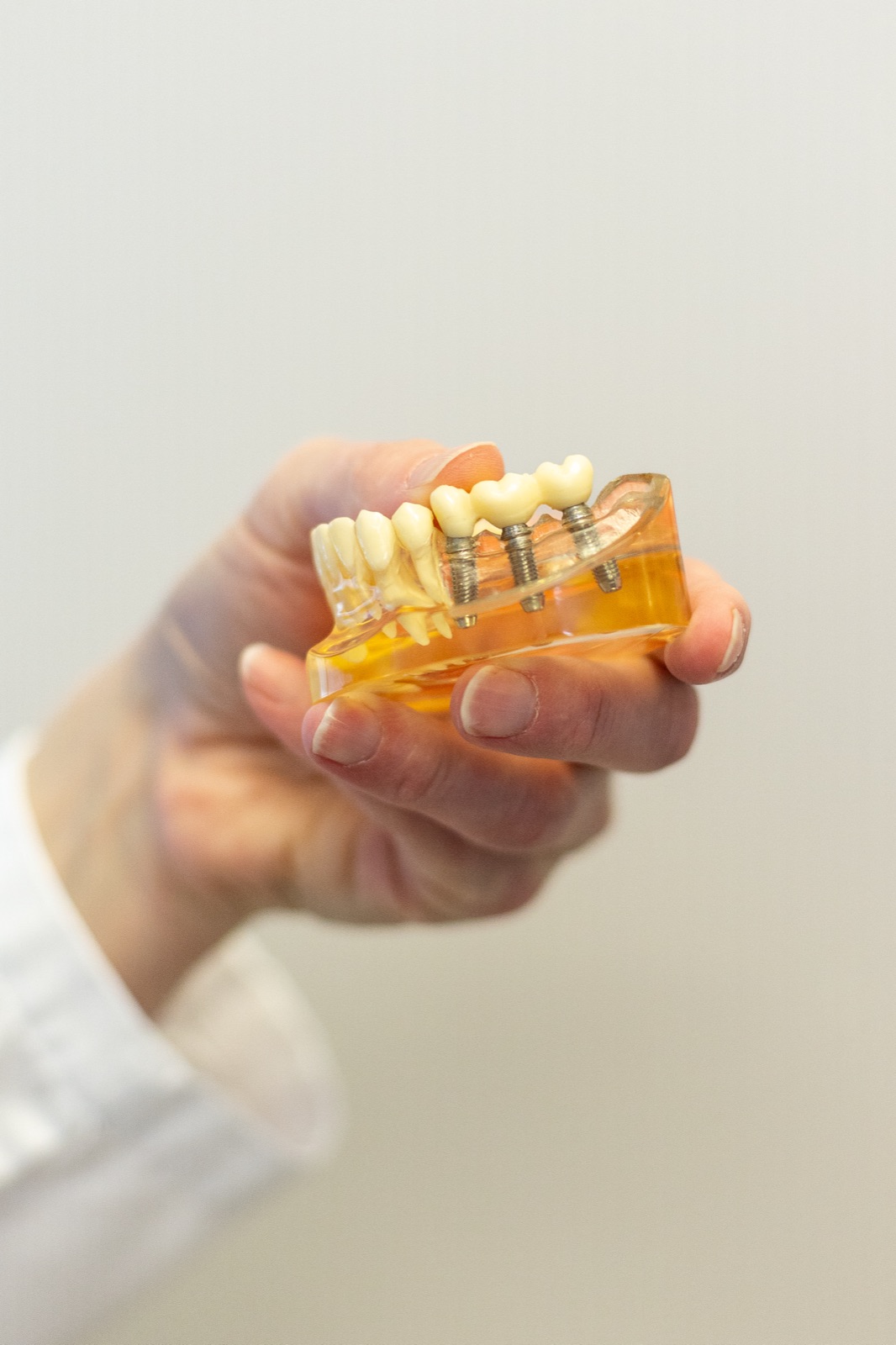
A dental implant is a small titanium post placed into the jawbone where a tooth is missing. Over time, the bone bonds to the implant, creating a stable foundation for a crown, bridge, or denture that looks and works like a natural tooth. It's the closest thing to replacing what you lost — but an implant is only as good as the planning behind it.
Where the implant goes. How the bone is prepared. Whether your medications and overall health have been accounted for. That's what separates an implant that lasts 20+ years from one that fails within five. Most implant failures Dr. House sees trace back to one pattern: the planning didn't go deep enough. That doesn't mean the previous care was wrong — it usually means there wasn't enough time or data to see the full picture.
Beyond filling the gap — here's what changes when the diagnosis is thorough and the placement is precise.
Chew steak, apples, corn — the foods your diet has quietly been avoiding.
No adhesive, no shifting mid-sentence, no taking them out to eat.
Implants stimulate bone the way natural teeth do, keeping your face shape.
A missing tooth shifts everything around it. An implant holds the line.
With proper planning and care, implants commonly last 20+ years.
All-on-4 is a real option. It's just not the only option — and for patients with bone loss, complex medical histories, or a preference for something removable, there are paths worth exploring first.
Replaces one tooth with one implant and one crown. The gold standard when the bone and surrounding teeth are healthy. Functions, looks, and cleans like a natural tooth.
See the Process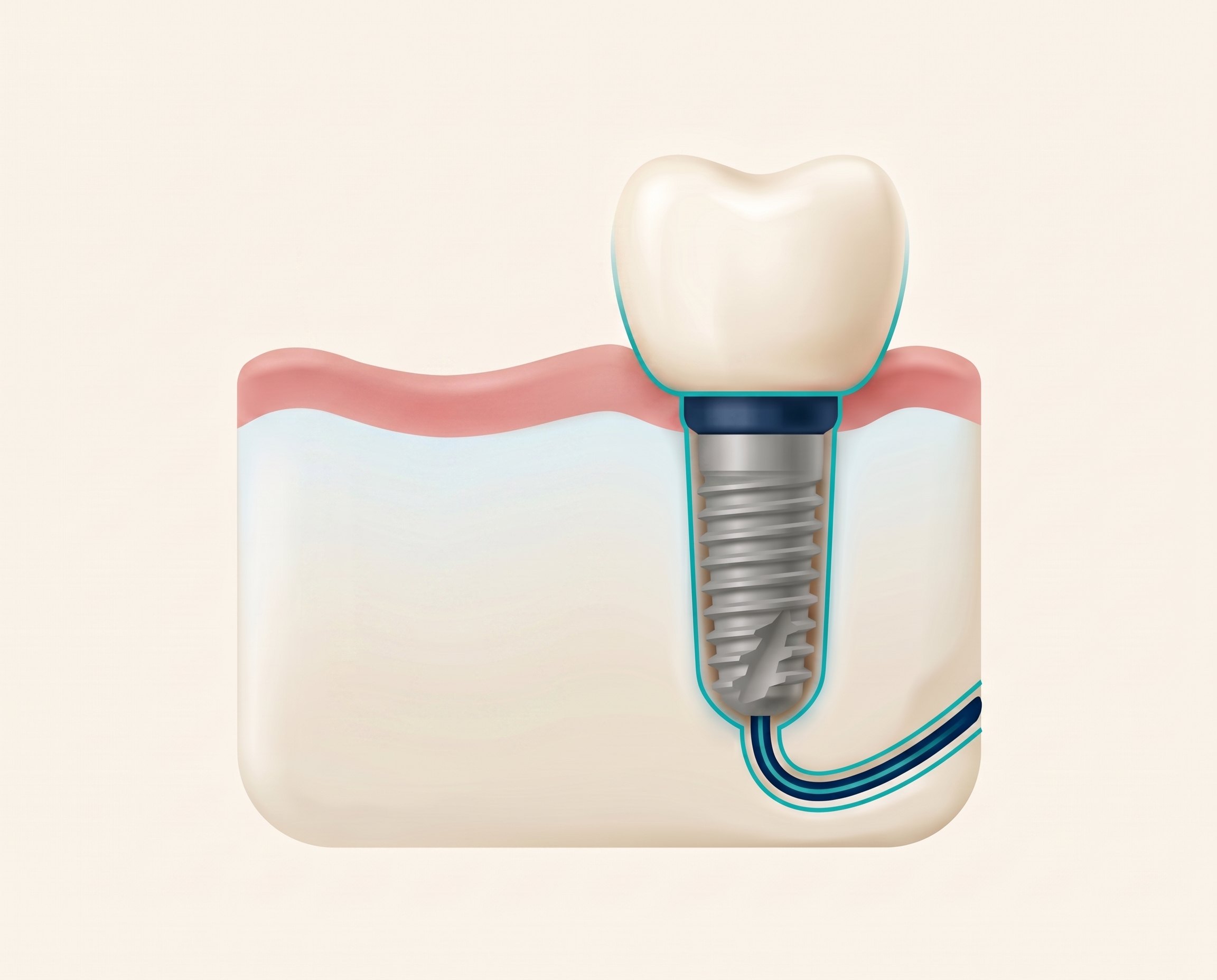
Two or three implants anchor a bridge of multiple teeth. Strong, stable, and avoids cutting down neighboring teeth the way a traditional bridge would.
Explore Bridges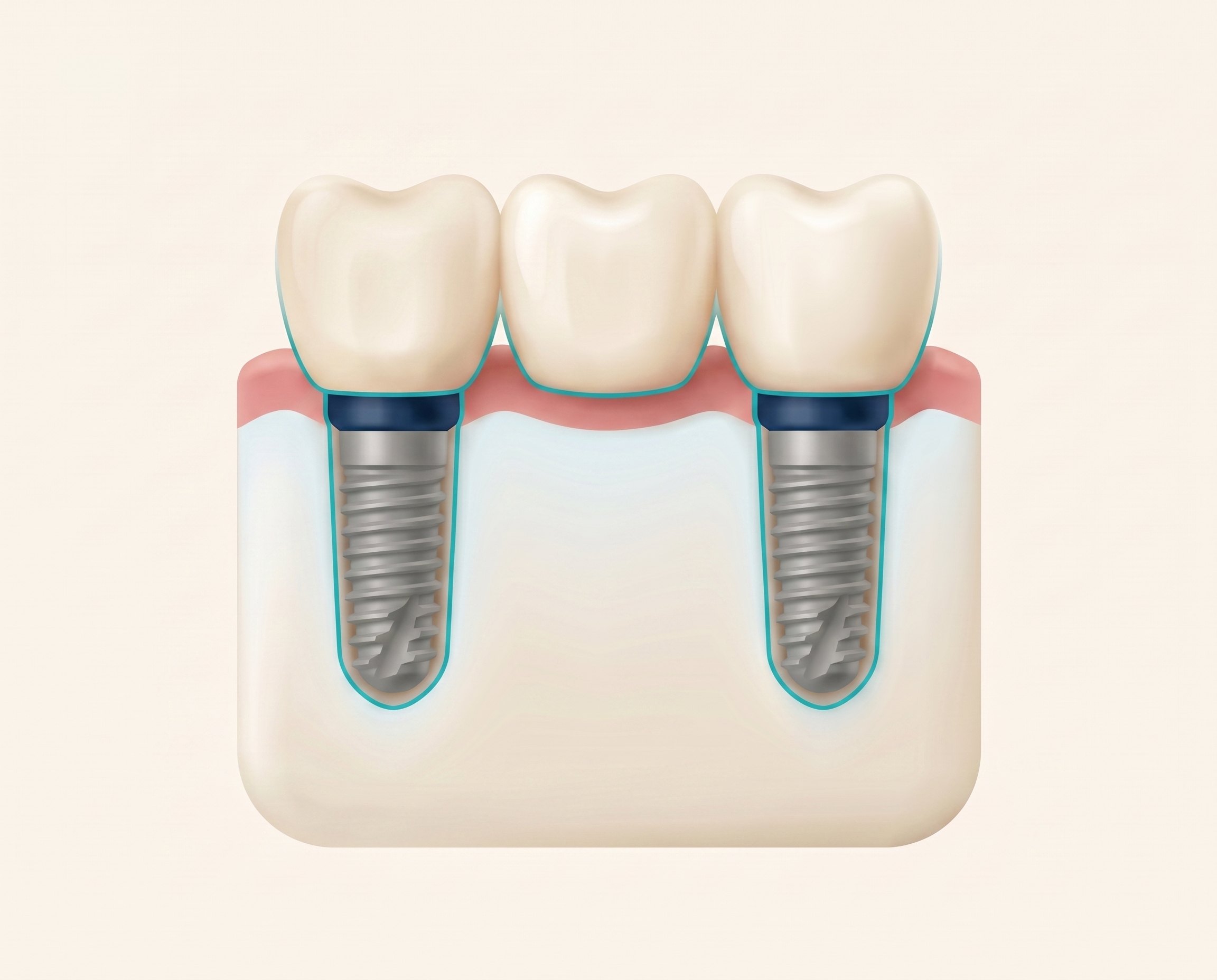
Snap-in dentures held by 2–4 implants. Removable for cleaning, fewer implants needed than All-on-4, and often the right answer for patients with complex medical histories or bone-density concerns.
See Locator Dentures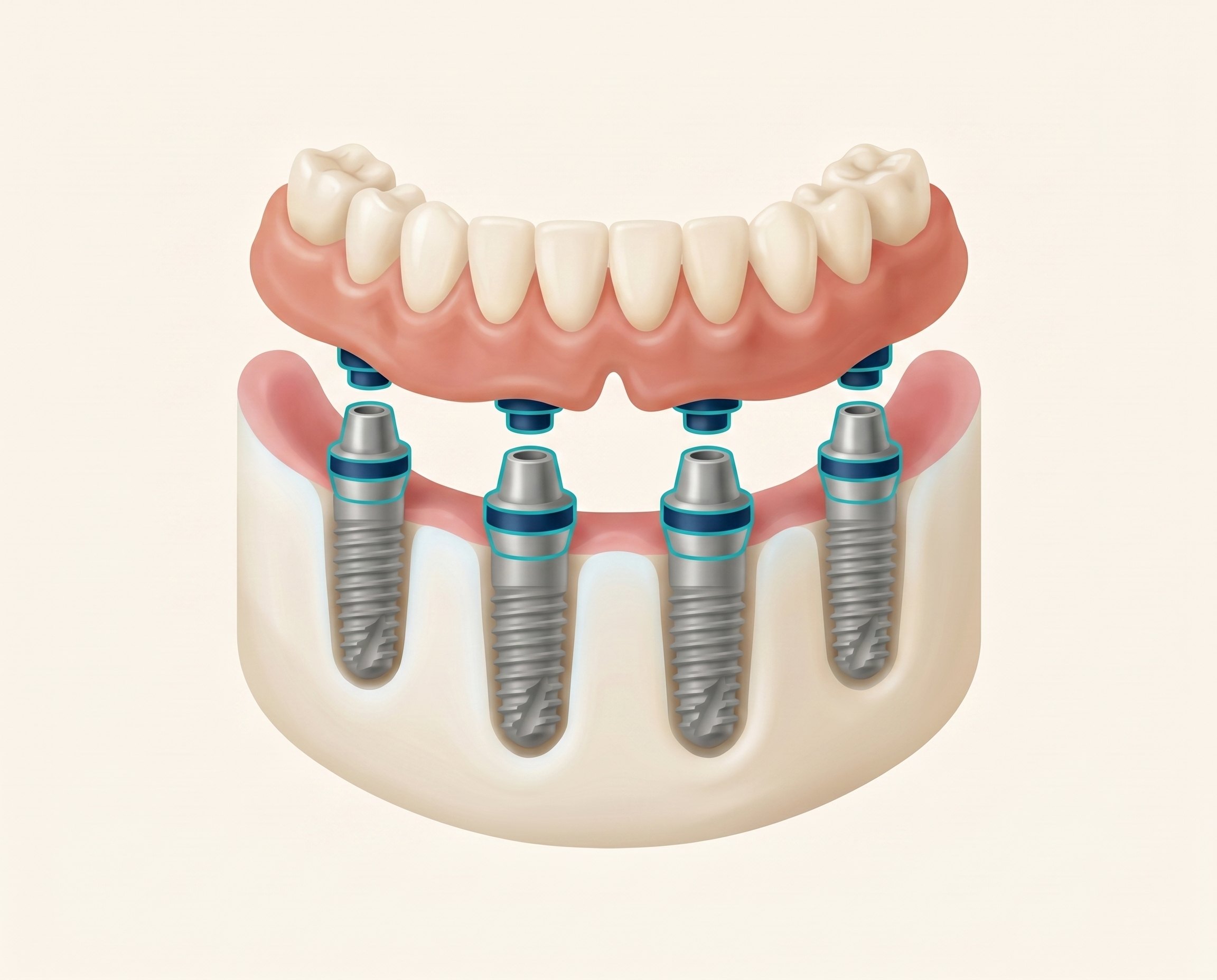
Four implants support a full arch of fixed teeth. Real advantages for specific patients. Dr. House recommends it when the diagnosis supports it — not as a default for every full-arch case.
Alternatives to All-on-4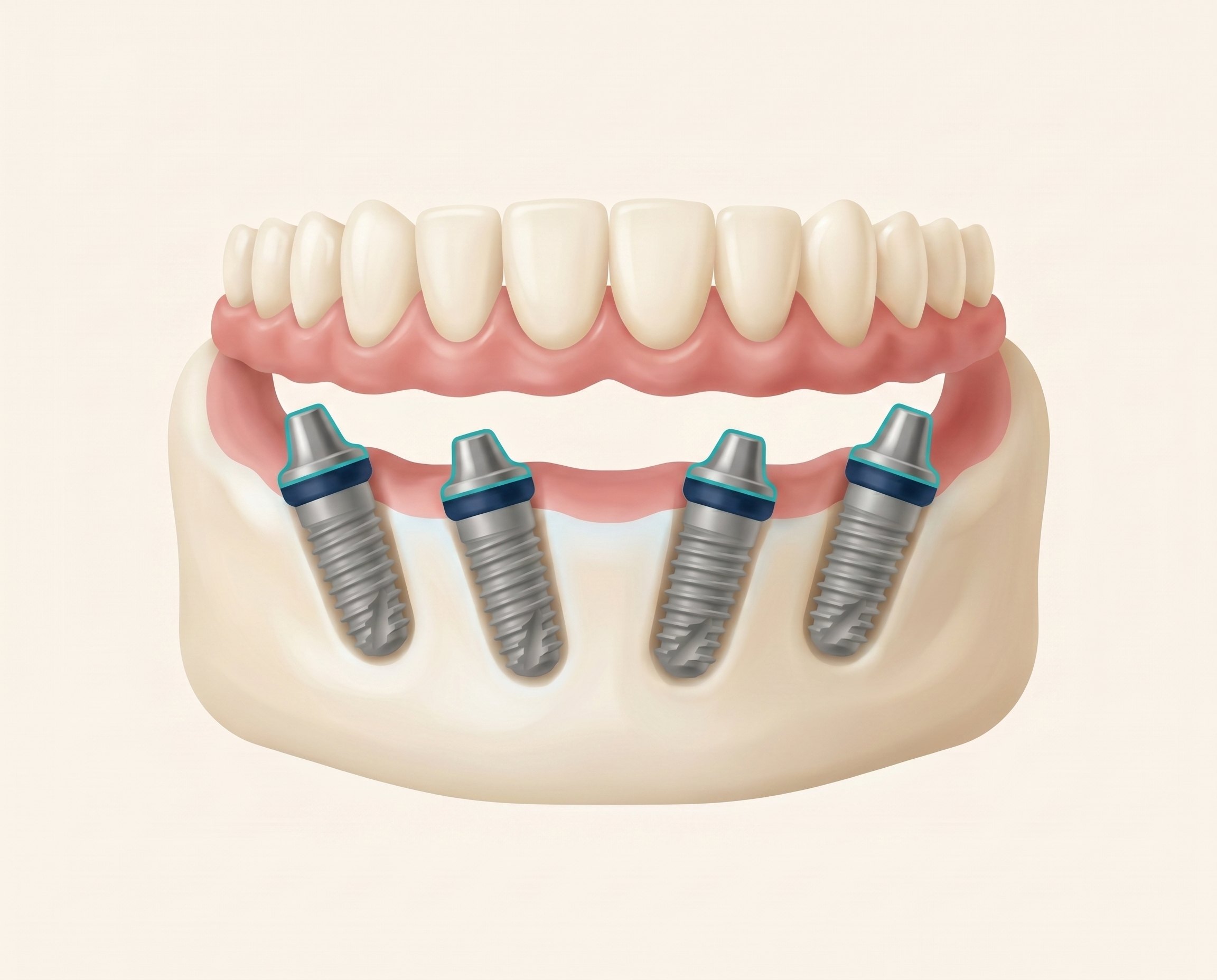
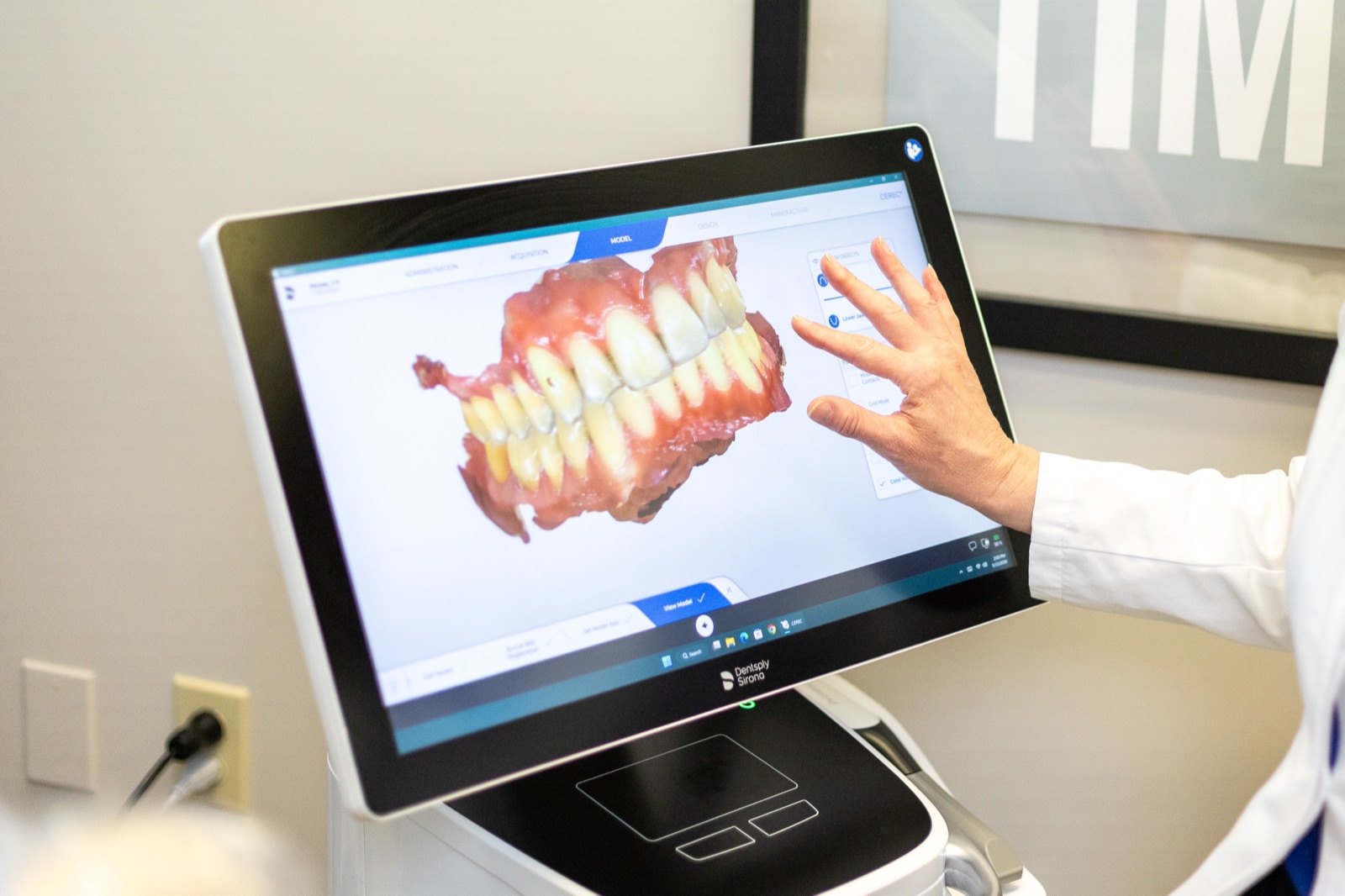
Your two-hour first visit includes full-series X-rays, a cone beam CT scan, digital impressions, photographs, and a complete medical history. Dr. House reviews your medications, bone density concerns, and all previous dental work. Nothing is assumed.
Dr. House studies the data and builds a plan specific to you. That might mean orthodontics to move teeth into position, bone grafting to prepare the jaw, or a staged approach to match your health and budget. Sometimes the plan comes the same day. Sometimes it takes longer because the case demands more thought. There's a right moment for everybody.
Dr. House and oral surgeon Dr. Becker review the plan together. She designs a custom 3D-printed surgical stent based on her scans. It shows exactly where the implant should go. Dr. Becker performs the surgery. There are no surprises.
The implant is given time to bond with the bone. This stage typically takes three to six months. Dr. House monitors your progress and doesn't move to the next step until integration is confirmed. Rushing this phase is how implants fail.
Once the implant has fully integrated, Dr. House restores it with a custom crown or prosthetic. Follow-up visits ensure everything stays on track. Long-term success depends on long-term care — and that's built into the plan from the start.
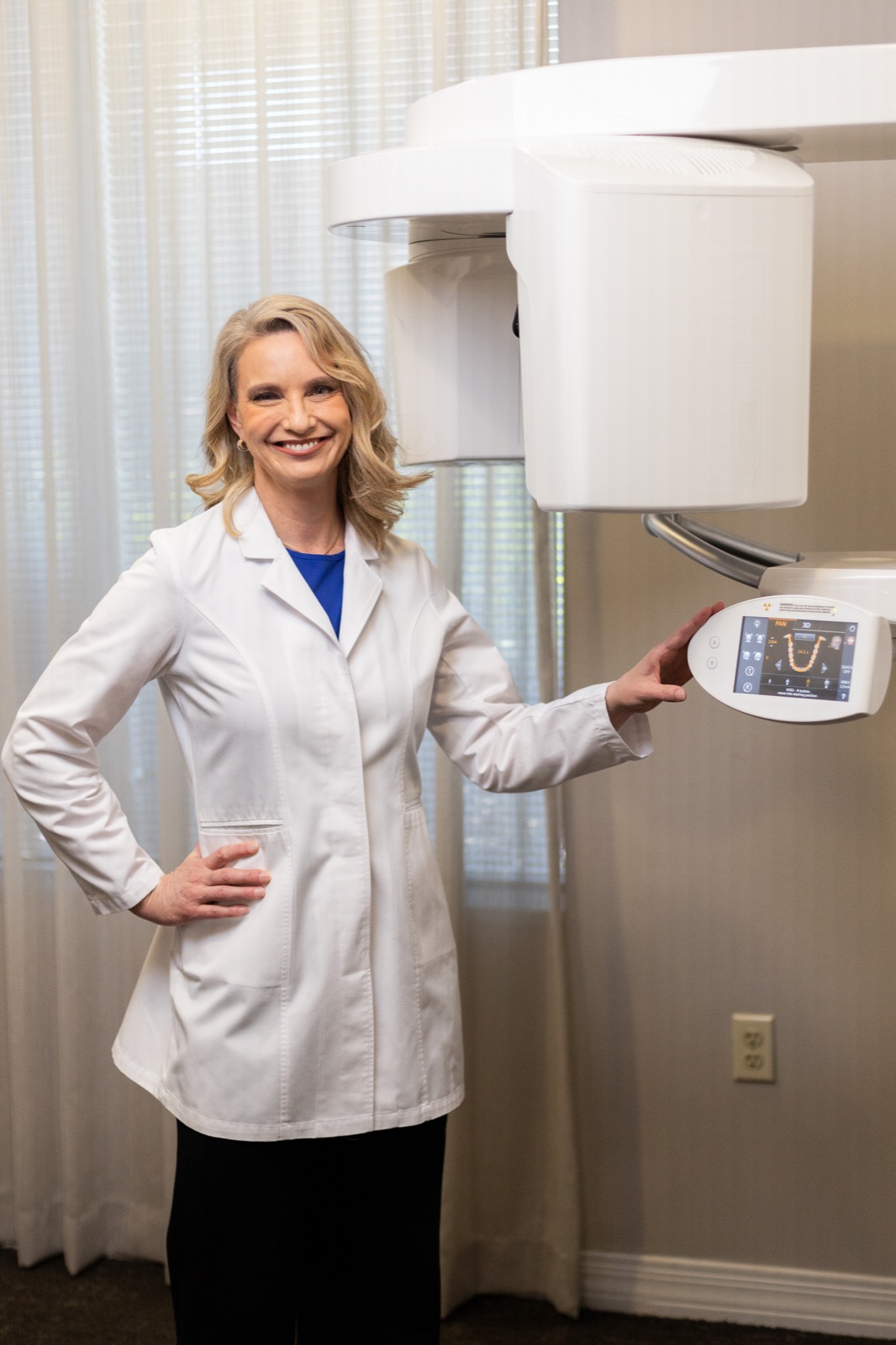
Twenty-four years of implant planning built on the idea that the diagnosis matters more than the device.
Dr. House plans every implant case with cone beam CT imaging, digital scans, and a full medical history review. When bone density is a concern, she orders DEXA scans — an assessment most practices aren't structured to provide. She then partners with oral surgeon Dr. Becker to design custom 3D-printed surgical guides. The data comes first. The placement comes after.
Four things that make this practice different — and why implants placed here tend to hold.
Every implant starts with cone beam imaging, digital scans, and a full medical history review. When medications or osteoporosis are factors, Dr. House orders DEXA bone density scans — a level of assessment most practices aren't structured to provide. The data comes first. The plan comes after.
Dr. House and oral surgeon Dr. Becker plan together before any procedure begins. The surgical approach, the implant position, and the final restoration are all coordinated from the start. It's a group effort, and that's how the best outcomes happen.
Dr. House designs precision surgical stents from her own digital scans, 3D-printed in-office. They show exactly where the implant should go. No guessing — and when you plan with this level of detail, the results hold up.
Not everyone can do everything at once. Dr. House builds treatment plans that work with your timeline and your budget. The practice accepts CIGNA and Aetna, with financing available through CareCredit and Proceed Finance.
I had been told for years that All-on-4 was my only option. Dr. House ordered a DEXA scan and a cone beam on the first visit, found the bone I did have, and built a plan for locator dentures instead. I chew real food again.
Verified Google ReviewDr. House and Dr. Becker planned my implants together before anyone touched me. The 3D-printed guide meant the placement was exact. Four months later the crown went on and it fits like a natural tooth.
Verified Google ReviewStraightforward answers to the questions we hear most often.
A single dental implant typically costs between $3,000 and $6,000 in Phoenix. The final cost depends on what the diagnostic workup reveals — bone density, whether grafting is needed, the number of implants required, and the complexity of your case all factor in. House Dental offers financing through CareCredit and Proceed Finance. The first step is a comprehensive evaluation so we can give you an accurate, personalized plan.
Age alone doesn't rule anyone out. What matters is bone density, overall health, and medications. Dr. House uses DEXA scans and a full medical history review to determine whether implants are right for you. Many of our implant patients are 65 and older with successful results, because the planning was thorough.
Yes, in many cases. Dr. House orders DEXA scans when osteoporosis or medications that affect bone density are a factor. Most practices aren't structured to include this level of assessment — but for implant planning, it's essential. Bone grafting may be recommended before placement to create a strong foundation.
Locator dentures — implant-supported snap-in dentures — are a proven alternative that Dr. House frequently recommends. Unlike All-on-4, locator dentures are removable for cleaning, require fewer implants, and can be a better fit for patients with complex medical histories. The right answer depends on your diagnosis. Read more about alternatives to All-on-4.
Most implant failures trace back to planning that didn't go deep enough. Bone that wasn't assessed. A bite that wasn't corrected before placement. Health factors that weren't part of the conversation. Dr. House's diagnostic-first approach is designed to find and address these factors before any implant is placed — cone beam CT, digital scans, DEXA bone density testing when needed, and a full medical history review.
From first visit to final restoration, the process typically takes four to nine months. Dr. House doesn't rush this timeline because implant success depends on proper healing and integration. The diagnostic visit comes first. Then Dr. House and Dr. Becker plan the procedure together. The implant is placed, given time to integrate with the bone, and then restored with a custom crown or prosthetic.
House Dental is at Camelback and 32nd Street — just east of the Biltmore and a few minutes from Paradise Valley and Scottsdale.
If you've been living with missing teeth or struggling with dental work that didn't hold, the first step is the same. A thorough diagnosis that looks at everything — your teeth, your bone, your health, your history. That's what the first visit is for.